Construction
Home repair and building help from volunteers and nonprofit builders.
The Butterfly Project supports families impacted by homelessness, poverty, and crisis. We also raise awareness of incarceration, which can set these challenges in motion and weighs heavily on the entire family.
One act of kindness can set off a ripple that lasts a lifetime.
One tragedy can set off a chain of hardship. Our goal is to reverse it and bring order out of chaos with a positive butterfly effect. A meal. A backpack of school supplies. A warm coat on the first cold morning. Each one reaches a child, then a parent, then a whole family, and the effect lasts generations!
Two ways of counting, one story: how many children have grown up with a parent behind bars, and how many people have no home on a single night.
Virginia children have had a parent in jail or prison at some point during their childhood (2011–12 estimate).
Virginians were without a home on a single night in 2025, including 2,289 people in families with children.
Across the country, research shows how far this reaches into a child’s life.
children in the United States have had a parent in jail or prison at some point.
drop in family income while a parent is incarcerated, and a 15% drop after the parent comes home.
as likely to attempt suicide: students experiencing homelessness, compared with students who have stable housing.
Every gift goes toward essential items that help men, women, and children every year.
Over 46,000 Virginians are actively living in emergency shelters, state prisons, or local jails – behind each of them is a family left behind.
Over 100,000 Virginia children have had a parent in jail or prison at some point in their life. Even if a parent comes home, the emotional trauma has already set in.
Let’s help these families. We humbly ask for your help in changing the world!
Prefer to give something you can hold? Our wishlist lists the items families need most. All items must be brand new. If you would not give it to a neighbor, please do not give it to a family in need.
These items are needed year-round. We need approximately 200 units of each item every quarter, and we kindly ask that all items be full size rather than travel size.
We accept adult and children’s versions of each.
Please choose cards that can be used for fuel at the pump.
Why incontinence underwear? We provide incontinence underwear instead of pads to help prevent accidents in shared shelter spaces, and so women and girls do not have to worry about soiled underwear while they are stabilizing.
We serve 200 children at any given time. All backpacks must be clear, per the Richmond City Schools clear backpack policy.
To keep every neighbor safe and respected, we cannot accept the following.
We also accept some gently used and refurbished items. Please see our FAQ for details. Everything else must be brand new.
Sources for “over 46,000”: 8,386 people in Virginia emergency shelters in 2024–25 (Virginia Department of Housing and Community Development), 22,629 people in state prisons in December 2025 (VADOC), and 15,885 people in local and regional jails on an average day in fiscal year 2024 (Offender Population Forecasts, FY2025 to FY2030). Together that is 46,900. These are counts of people only, and some may appear in more than one group.
Each of you should give what you have decided in your heart to give, not reluctantly or under compulsion, for God loves a cheerful giver.2 Corinthians 9:7 (NIV)
The Butterfly Project began with one person's experience of growing up without her parents because of parental incarceration, and with how few places there were to turn.

Our founder, Chyna Nyarku, grew up without her parents because of parental incarceration. As she came to understand her experience, she saw how few resources exist for children and families living with it.
Today, The Butterfly Project does two things. We provide essential items and free financial and emotional education to families in need, and we connect them to trusted local organizations for shelter, food, health care, rent and more. Referral is part of our work, but we are more than a referral service.
She is far from alone. A 2016 report from the Annie E. Casey Foundation estimated that 5.1 million children in the United States have had a parent in jail or prison at some point.
Still, these children are easy to overlook. Many carry the absence quietly, held back by shame and stigma, and few have a place built for them.
The Butterfly Project exists to be that place. We offer practical help for the whole family, and a reminder to every child that what happened to their parent is not who they are.
Faith is at the heart of this work. Chyna’s Christian faith is a large part of her journey, and she considers herself a living testimony: she could not have achieved anything without God and her community. The Butterfly Project passes that same grace and community forward to the children and families who need it.
“The LORD has done great things for us, and we are filled with joy.”Psalm 126:3 (NIV)
Having a parent incarcerated is one of the hardest things a child can go through, and one of the least talked about. It can take a real toll on a child's mental health, including depression, anxiety, and thoughts of suicide.
A parent who is gone but still alive is a loss many people do not treat as grief. Children are left to carry it without the comfort that other losses usually bring.
Stigma teaches children to hide where their parent is. Keeping that secret can leave a child isolated, which makes depression and anxiety more likely.
Changing caregivers, losing household income, and worrying about food or rent keep a child's mind and body on high alert.
Few programs are built for these children, so many go without a trusted adult or counselor to talk to.
A large study of more than 120,000 middle and high school students in Minnesota found that young people with a parent currently incarcerated were roughly 2.5 to 4 times as likely as their peers to report emotional distress such as sadness and anxiety, self-injury, thoughts of suicide, and suicide attempts. Only about 30% of them had received mental health treatment.
The same research found that feeling close to a parent or caregiver was protective. These risks are not a prediction or a flaw in the child. They can happen when a young person goes through something painful without enough support, and a community can change that.
The Butterfly Project is not a counseling or crisis service. We help with essential items and offer financial and emotional education, so families have more room to breathe and children have one more caring presence. What is a crisis service?
These hardships rarely come one at a time. The National Institute of Justice reports that family income was about 22% lower while a parent was incarcerated and 15% lower after the parent came home, and that children of incarcerated parents were less likely to have stable housing.
A study of the Fragile Families data, which followed more than 3,700 children, found that recent paternal incarceration was associated with a higher risk of child homelessness at age five. The link was concentrated among Black children, who had 144% higher odds. Family finances, social support, and mothers’ capacities explained about 15% of the link. When substance use and domestic abuse were also taken into account, the link for recent incarceration was no longer statistically significant, which shows how many hardships can overlap in one family.
Homelessness carries its own mental health weight. CDC survey data, as summarized by SchoolHouse Connection, show that high school students experiencing homelessness reported more sadness, hopelessness, self-harm, and suicide attempts than housed peers, and they were three times as likely to attempt suicide as stably housed youth. A child who has both a parent in jail or prison and an unstable home may carry all of these at once, which is why we work to meet practical needs and add caring adults to a child’s life.
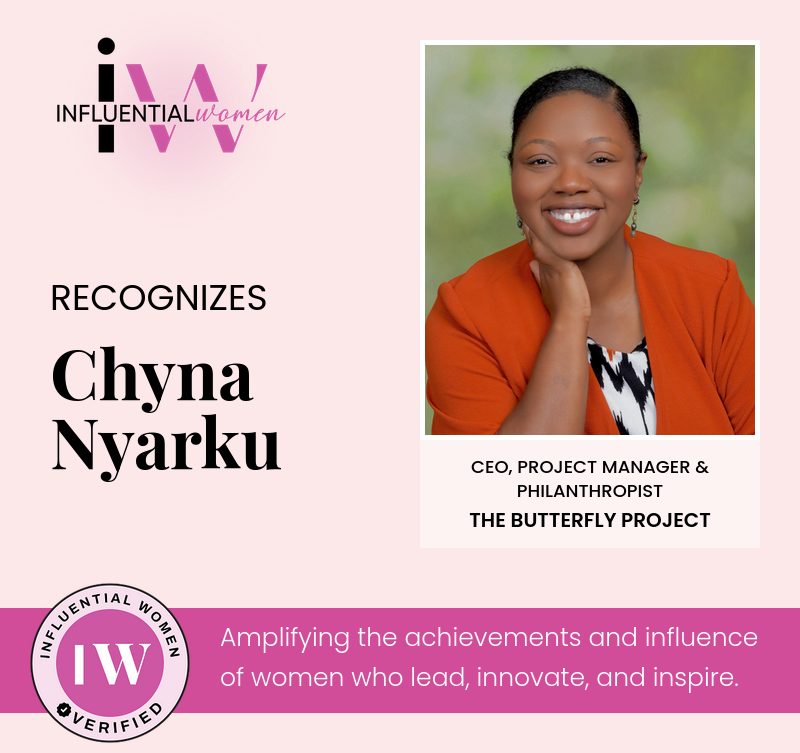
Chyna founded The Butterfly Project after growing up without her parents because of parental incarceration. She leads the organization with one clear purpose: no child with an incarcerated parent should have to look for help that is not there. She has a background in project management, program management, and marketing. She has also served as a math tutor at Ettrick Elementary and at Bellevue Elementary. She credits God and her community for every step of her journey.
Francis is our CFO and an expert software engineer fluent in multiple programming languages. He is an experienced Applied Behavior Analysis (ABA) therapist and direct support professional (DSP) for people with special needs and disabilities, specializing in children, senior citizens, and working directly with families. He is also a STEAM educator at Saint Michael’s Episcopal School, an expert drummer, audio engineer, and horticulturist.
Sophia is our Secretary and Outreach Coordinator. She keeps the team’s records and communications and helps lead our youth and multicultural outreach, surveying community needs across Virginia Beach, Norfolk, and Portsmouth with a focus on college students. A nursing student at Old Dominion University (ODU), she brings love, kindness, and care to her work. She is passionate about supporting mothers and children and has extensive experience in childcare and education.
Featuring Chyna Nyarku, in collaboration with McGraw Hill. A short documentary about resilience, personal growth, and how education can change a life.


2026 MUSE Creative Awards: Gold and Silver Winner.
Featuring Chyna Nyarku during her tenure at HomeAgain Richmond, in partnership with ABC8.
If this work speaks to you, there is a place for you. Volunteer, become a sponsor, or donate to help support the mission.
We connect you with trusted local organizations for shelter, food, repairs, mental health support, and rides, and we provide essential items and free education ourselves. Pick a topic below. If you are in crisis right now, use the numbers at the bottom of this page.
Home repair and building help from volunteers and nonprofit builders.
Pantries, community fridges, weekly meals, and fresh produce around Richmond, plus organizations that help neighbors with everyday essentials.
Free and low-cost clinics, dental care, counseling, showers and hygiene supplies, and crisis support.
Help with rent, housing costs, and heating and cooling bills.
How the Greater Richmond and Crater systems work and the numbers to call first, plus private and faith-based shelters outside those systems.
Organizations that keep children connected to parents who are incarcerated, support families, and offer faith and community.
Fare-free buses, paratransit, Medicaid rides, and bikes.
Birth, death, marriage, and divorce certificates: why you need them and where to get them, including free events.
How people become U.S. citizens the right way, how to protect your status, and where to find free legal help.
How to get a Social Security number or replace your card, step by step, with the documents you will need.
God is our refuge and strength, an ever-present help in trouble.Psalm 46:1 (NIV)
These organizations help neighbors in need with essential items. Visit their websites or call to ask what they offer, who they serve, and how to request help.
Meals and groceries around Richmond, from 24-hour community fridges to weekly feedings. Some groups also help neighbors with essential items. Hours change, so check each group’s page or call before you go. Need help applying for SNAP, TANF, or WIC? Follow our step-by-step guide.
Central Virginia’s food bank network. Use the locator to find a pantry or meal site near you.
Promotes heart health in underserved communities through its Healthy Hearts and Hygiene initiative, with healthy food, fresh produce, hygiene products, and a community fridge at Ettrick Park. Food distribution is on the 1st and 3rd Wednesdays and the last Thursday of each month, 9:45 AM–1 PM. Bring a large bag or cart to carry your groceries.
A weekly outreach, rain or shine, at The Light Community Church, 601 Azalea Ave. It has a mobile pantry with canned goods, fresh produce, bread, and toiletries, plus free health screenings from nurses and pharmacists, and bike repairs.
A Richmond group featured by WTVR for delivering free food and clothes to people in need.
Serving meals since 1986. A weekday lunch program in south Richmond and Jackson Ward and Gilpin Court, weekend meals in south Richmond, and Breakfast and a Book, which gives each child a breakfast and a book to take home. Call for times and sites.
Volunteer-run fridges across Richmond that are open 24 hours a day with free food. Take what you need and leave what you can. Most also have a pantry with nonperishables and hygiene items. The group’s Instagram has a map of every fridge location, and the first fridge is at 2025 Venable Street in Church Hill.
A nonprofit farm that grows and shares fresh food. Its Mobile Market visits locations across Richmond and offers a 50% SNAP match through the Virginia Fresh Match Program. Find market locations on its website. Volunteers are welcome April through November.
Know a resource we should add? Tell Us About It.
For I was hungry and you gave me something to eat, I was thirsty and you gave me something to drink, I was a stranger and you invited me in.Matthew 25:35 (NIV)
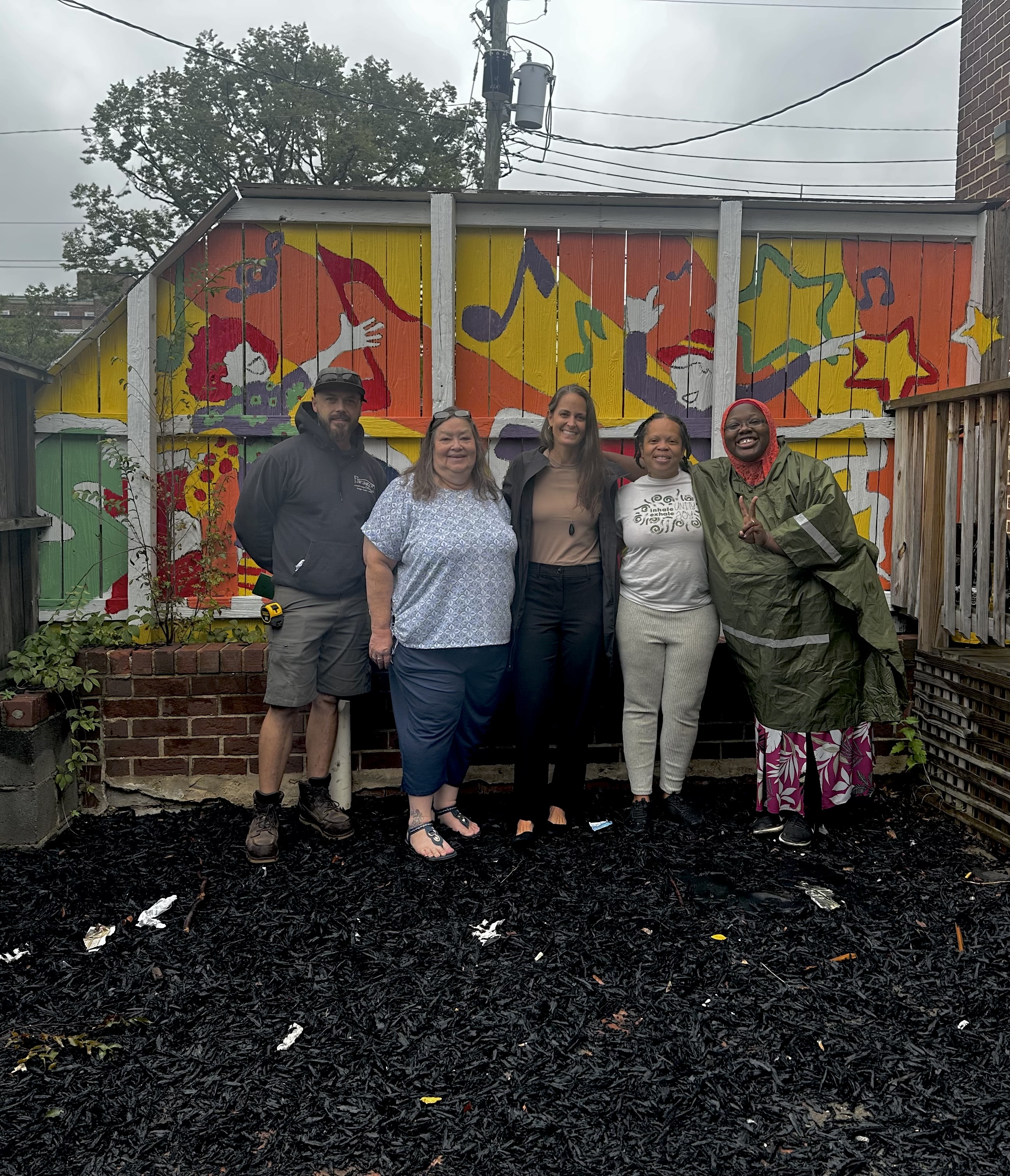
Repairs and building help can keep a family in the home they have, or give a shelter room to serve more people. These organizations pair neighbors with volunteer builders.
The Richmond affiliate of Rebuilding Together, a nonprofit that makes critical home repairs and offers safe and healthy housing and volunteer rebuild programs. Use its Apply For Services page to ask for help. Its national Fix18 campaign works to repair existing homes so families can stay in them, with 18 homes fixed for the cost of building one new home.
Lends tools and equipment to nonprofits and community groups in Central Virginia, with an inventory of more than 10,000 tools. Community-based organizations can get a free membership for access, which helps volunteer repair and building projects get done.
Connects vetted nonprofits with volunteer building experts who donate labor, materials, and expertise to build and maintain housing and program facilities for people experiencing or at risk of homelessness. It works with organizations, not individual families.
A ride to an appointment, a shelter intake, or a job interview can decide whether help reaches you. These options can ease the trip.
Greater Richmond Transit Company buses are fare-free, currently through at least May 2027. Check its site for routes and schedules.
Door-to-door service for people whose disability prevents them from using the regular bus. See the page for eligibility and how to apply.
Donated bikes are refurbished and given as transportation to people on a waiting list, and repairs are offered at Saturday Servings.
Medicaid members can get rides to covered medical appointments. The state transportation site lists how to schedule a ride and the numbers to call.
Know a resource we should add? Tell Us About It.
The Lord will watch over your coming and going both now and forevermore.Psalm 121:8 (NIV)
When someone is in jail or prison, the whole family feels it. These organizations help children stay connected to their parents, give families people who understand, and offer faith and community through the hardest seasons. Jail vs. prison · Is a loved one coming home? See Re-Entry. Looking for holiday gifts for your family? See Holiday Wishlists.
A Richmond-based nonprofit founded by LeTeisha Gordon that supports children affected by a parent’s incarceration with a trauma-informed approach. It offers mentoring and after-school programs at the Southside Community Center with Richmond Parks and Recreation, trust-building activities like rock climbing and group bike rides, and a twice-monthly “straight talk” program for girls.
A Richmond-based nonprofit, serving families of incarcerated people since 1978. It offers visitation support, family support, children’s services including its Milk and Cookies (MAC) program, transportation to correctional facilities for loved ones, and video visits from visitor centers across Virginia and from home. A Visitation Assistance Fund subsidizes video visits, and the Virginia Department of Corrections video visit rate dropped to 12 cents per minute on July 1, 2025.
A 501(c)(3) nonprofit whose mission is to build stronger men for the Commonwealth of Virginia. It offers skills-based programs and events for fathers and couples on parenting, healthy relationships, and active fathering, with programs in Central Virginia, Hampton Roads, and the Blue Ridge. It began in Richmond and reports serving 3,000+ new dads.
A national prison ministry that builds faith among people in prison during incarceration and after release. It creates “satellite campuses” inside prisons with prayer teams, small groups, and membership classes. CBN reported that at least 130 people were baptized in a single week, including 90 women at a federal prison.
A national Christian nonprofit that serves people in prison, people returning home, and their families, with programs that include Angel Tree.
A nonpartisan national advocacy group led by children and young adults affected by parental incarceration. Through digital storytelling, safe and inclusive spaces, and advocacy campaigns, it works to keep families connected and to promote fairer sentencing.
Know a resource we should add? Tell Us About It.
Angel Tree, OAR’s Adopt-A-Family, AFOI’s Holiday Hope, and FatherHood Foundation’s FATHER Christmas collect and deliver gifts and support for families affected by incarceration. Most focus on children, and they are for mothers and fathers too. See who to call and what dates to know.
More than 5 million children in the United States have had a parent incarcerated, according to the Annie E. Casey Foundation (PBS NewsHour, 2023). Another report puts it at more than 2.7 million children with a parent in jail or prison today (PBS NewsHour, 2021).
Holiday gifts for the whole family are listed on our Holiday Wishlists page. If someone is coming home, see our Re-Entry page. Children can also watch the videos on our Children Of Incarcerated Parents page.
Continue to remember those in prison as if you were together with them in prison, and those who are mistreated as if you yourselves were suffering.Hebrews 13:3 (NIV)
Learn what “juvenile” means in Virginia, why a young person can be held in a detention center, what happens next, and where youth are held in the counties we serve. If your child is in detention, you are not alone. Call the facility first for visiting hours and rules.
In Virginia, a juvenile is generally a person under 18. When a juvenile is accused of something that would be a crime for an adult, it is called a delinquent act. These cases go to the Juvenile and Domestic Relations District Court instead of adult court, and the focus is on rehabilitation, safety, and getting a young person back on track.
A juvenile can also come before the court in a case that is not a crime, such as a child in need of supervision, which can involve running away or repeated missed school. In some serious cases, a juvenile who is 14 or older can be tried as an adult.
Most youth in detention are waiting for their case to be decided. Detention is meant to be short and temporary, and the youth’s family can stay involved through visits, calls, and court dates.
Before a case is decided, Virginia law allows a youth to be held in a secure facility only when a judge, intake officer, or magistrate finds probable cause that the youth committed the act, and at least one of the reasons below applies. A child under 11 generally cannot be held in secure detention unless the charge is one of the most serious offenses. See Virginia Code § 16.1-248.1.
The alleged act would be a felony or a Class 1 misdemeanor for an adult, and the court finds clear and convincing evidence of one of three things: the youth is a clear and substantial threat to other people or property, the youth is a clear and substantial threat of serious harm to their own life or health, or the youth has threatened to run away or has willfully missed court in the past 12 months.
A youth who leaves a detention facility or placement where a court or intake officer ordered them to stay can be held again.
A youth who is wanted by another state may be held while arrangements are made to return them.
A youth who does not appear after being properly served with a summons can be held. In a child-in-need-of-supervision case, this hold is limited to the next court day and cannot exceed 72 hours, with weekends and holidays extending that time.
A youth who was released on a felony or Class 1 misdemeanor charge and then breaks the conditions of that release can be detained.
An intake officer looks at how serious the charge is, whether a weapon was involved, the youth’s record and probation status, whether they are likely to appear in court, and whether a parent or guardian can take custody. The officer can release the youth to a parent or guardian, release them on a summons, or ask that they be held.
If a youth is held, a judge reviews the case. Detention hearings are usually held on the next day the court is open, so a Friday detention is heard on Monday. The judge decides whether the youth stays until trial or goes home to a parent or guardian.
A judge may release a youth to a parent or guardian with conditions. In Chesterfield and Colonial Heights, for example, this can mean house arrest, a GPS ankle monitor, or a diversion outreach program. Virginia law also allows non-secure shelter care for some youth who do not need a locked facility.
A youth may be placed on probation, sent to a local program such as Chesterfield’s six-month Post-Dispositional program, held in a local facility for a short sentence, or committed to the Virginia Department of Juvenile Justice. Virginia law requires school attendance during detention, and the facility’s school sends grades and course records to the home school on release.
We deliver to Chesterfield County, Colonial Heights, Goochland County, Hanover County, Henrico County, Hopewell, Petersburg, Powhatan County, Prince George County, and the City of Richmond. Find your county under “Serves” below. Facilities can change which localities they serve, so call the facility or your local court service unit to confirm where a young person is being held.
A secure county facility that holds youth admitted by court order until a hearing, a ruling, or a sentence. It also runs a six-month court-ordered Post-Dispositional program, a Community Placement Program, and home incarceration options such as house arrest, electronic monitoring, and diversion outreach. An on-site school is staffed by Chesterfield County Public Schools, and mental health, medical, and voluntary religious services are available.
A regional secure detention facility for youth, run by the Crater Youth Care Commission for its member localities since 1975. Call to ask about admission, visiting hours, and programs.
Henrico County’s secure detention home for youth held under Virginia’s detention rules. The county lists admission and discharge information, detention outreach with electronic monitoring, and the STOP Program. Mail goes to P.O. Box 90775, Henrico, VA 23273-0775.
A 60-bed regional facility run by the James River Juvenile Detention Commission for Henrico, Goochland, and Powhatan counties. It holds youth waiting for court action and some youth sentenced to up to six months. Services include psychological screening, education, recreation, and a case management program that helps youth return to their communities. Henrico holds 52 of the beds, and Goochland and Powhatan hold 4 each.
A regional secure detention center in Williamsburg, about an hour from Hanover. A 2022 Virginia Commission on Youth study lists it as the center Hanover County uses. Placements can change, so ask Hanover’s court service unit or call the center to confirm where a young person is being held.
A 60-bed secure facility for boys and girls in the City of Richmond, holding youth while their cases are decided. Admission requires a finding of probable cause for an act that would be a felony or Class 1 misdemeanor for an adult, plus a clear threat to others, a threat of serious harm to the youth, or fugitive status from another state. The Virgie Binford Educational Center follows the Richmond Public Schools curriculum and offers core classes, life skills, vocational skills, and GED preparation. The Superintendent is Letta Jones.
Know a facility or program we should add? Tell Us About It.
Having a child in detention is hard on the whole family. These pages on our site can help, and so can the program below.
Free parent and family consultations for parents and caregivers who live in Chesterfield County or care for a child who does. Topics include discipline, communication, risky behaviors, and managing strong emotions. The Circle of Parents peer support group serves parents and caregivers of children from birth to age 17 and offers childcare for ages 2 and older at in-person meetings.
Support and resources for families.
Videos for children and caregivers.
Gift programs for children and families.
Help for loved ones coming home.
The Butterfly Project prioritizes helping children and teens in detention centers, and their families. Education opens doors, and it is free. Explore our resources for students from PreK through college.
“For I know the plans I have for you,” declares the LORD, “plans to prosper you and not to harm you, plans to give you hope and a future.”Jeremiah 29:11 (NIV)
Housing, case management, job readiness, ID help, and recovery support for people coming home from jail or prison, and for the families welcoming them. Call ahead to confirm eligibility, costs, and hours. Looking for support for families affected by incarceration, or for someone who is still incarcerated? See Someone I Love Is Incarcerated.
A Richmond nonprofit that provides transitional housing and reentry support for people returning from incarceration, including peer recovery, sober living, life coaching, case management, employment support, education resources, and behavioral health referrals.
A faith-based recovery and reentry housing program for men, run by Kingdom Life Ministry, a Richmond nonprofit serving since 2004. Residents live in supervised housing with house rules, a 10 PM curfew, and no drugs or alcohol, and the average stay is 6 to 8 months. The program includes Biblical teaching, life skills groups, employment support, and mentoring from program graduates, and men are expected to work or actively look for work. The site lists a program fee, so ask what it costs before you apply. It does not accept Medicaid or Medicare.
A Richmond reentry nonprofit (Opportunity Alliance and Reentry of Richmond) that provides person-centered services to people affected by the criminal legal system, in the jail and after release. After release it offers weekly case management, job readiness classes, help getting ID documents such as birth certificates and DMV IDs, housing search help and referrals, money management counseling, work clothes, shoes, and tools, hygiene kits, life skills and peer support groups, and a computer lab for job searches. New client intakes are open to people released from incarceration within the last 6 months, and intake requires an in-person visit.
Know a resource we should add? Tell Us About It.
A birth certificate and Social Security card come first for most jobs and housing. These pages on our site can help. Families can also see Someone I Love Is Incarcerated, Children Of Incarcerated Parents, and Holiday Wishlists.
How to get a certified copy, and what to bring.
Replace a lost card or apply for your first number.
Resume building, interview clothing, and interview practice.
GED classes, job training, and help finding work.
See, I am doing a new thing! Now it springs up; do you not perceive it?Isaiah 43:19 (NIV)
These programs collect and deliver holiday gifts and support for families affected by incarceration or going through a hard season. Most focus on children, and they are for the whole family, mothers and fathers included. Sign-up steps and deadlines change every year, so call early. Want to give? Each one also welcomes gifts and donations. Looking for more support? See Someone I Love Is Incarcerated.
Church volunteers deliver Christmas gifts to children of incarcerated parents, presented as coming from the parent along with a note, to show children they are loved, offer comfort, and share the Gospel. A parent in prison signs up their child, and the church’s coordinator contacts the child’s caregiver. Registration steps and deadlines change from year to year, so check the Angel Tree page or call early.
AFOI’s holiday drive collects gifts for the children it serves, including children in its Milk and Cookies (MAC) program and its school programs. Donors can fill a holiday sack (capped at $40) with winter hats and gloves, toothbrushes and toothpaste, soap or body wash, playdough or slime, an activity book, and a game, or give socks and underwear for children in grades K–5. Items are due Monday, November 30. Call AFOI to confirm the date and to arrange a pickup.
FATHER Christmas honors dads facing hardship who do not qualify for other programs, so they can give their children a special Christmas. Anyone can nominate a dad, and businesses, groups, and individuals can sponsor a dad or adopt a family at SupportFatherChristmas.org. In past years dads have received cash, gift cards, and a meal for the family, and gifts have been chosen from a list of requests the nominator shared. The site lists events in Southwest Virginia on November 5 and Hampton Roads on November 15, so check it for the Central Virginia date and nomination deadline.
OAR’s holiday program provides gifts and grocery help to children and caregivers of a loved one who is currently incarcerated, with a goal of helping 45 families this season. Donors can adopt a family, a child, or a caregiver, buy gifts from the Kids and Teens Amazon wish lists, or give $50 grocery gift cards. The page does not explain how families sign up, so call to ask. Gifts are due Monday, December 7, 2026.
Know a holiday program we should add? Tell Us About It.
See Someone I Love Is Incarcerated for organizations that support families, Children Of Incarcerated Parents for videos for children and caregivers, and Re-Entry for loved ones coming home. If a young person is in juvenile detention, see Juvenile Detention.
But the angel said to them, “Do not be afraid. I bring you good news that will cause great joy for all the people.”Luke 2:10 (NIV)
If you do not see your question here, we are happy to help. Call or email us anytime during business hours.
Last updated November 2026.
No to both, and we are so glad you asked! Although we are a Christian organization, we serve all communities equally, regardless of race, sex, or creed. The Butterfly Project is here for every family impacted by homelessness, poverty, and crisis, whatever the cause. Through this work we also raise awareness of incarceration, which can set these challenges in motion and weighs heavily on the entire family. Wherever your family is right now, we would love to walk with you. Start on our Get Help page, read more on Who We Serve, or reach out through Contact.
We help with essential items and financial and emotional education for all families impacted by homelessness, poverty, and crisis. Most shelters need help supplying essential items, so we step in with essential items and supplemental support. Referral is part of our work: our Get Help pages connect you with the organizations that provide housing, shelter, rent and utility help, and more. But we are more than a referral service. We supply essential items and offer free financial and emotional education ourselves. We pay special attention to African American communities, which are disproportionately affected by homelessness and incarceration, and to women and girls, especially African American women and girls, with dignity essentials, hair-care and hygiene items, education, and health connections. Our help is for every boy, girl, man, and woman, from every community: Black, White, Hispanic, Latino, Asian, and more. We do not provide housing, shelter, or financial support beyond education at this time.
In our region, shelter is reached through the hotlines or by working with a case manager. If you are experiencing homelessness or are within three days of losing your housing, call the Homeless Connection Line at 804-972-0813. Even leaving a voicemail with your contact information makes a big difference. Calling a shelter directly will not put you in line. Beds go first come, first served to people who went through the hotline and secured their place in line, then by availability and your unique needs, such as man, woman, or family. See Shelter for the full process.
A crisis service gives immediate help when someone is in danger or in acute distress, such as the 988 Suicide And Crisis Lifeline, 911, and hotlines for situations like domestic violence. These are available right away, often at any hour. The Butterfly Project is not a crisis or counseling service. We offer everyday practical support, including essential items and financial and emotional education, and we help families find the right resources. If you or someone you know is in crisis, call or text 988 any hour, or call 911 for an emergency. You can find local mental health support on our Health & Hygiene page.
Jail is run locally, by a city, county, or region. It usually holds people who have been arrested and are waiting for court, people who cannot pay bail, and people serving short sentences, generally less than a year.
Prison is run by a state or the federal government. It holds people who have been convicted and sentenced, usually to more than a year. In Virginia, state prisons are operated by the Virginia Department of Corrections.
A person may be moved from jail to prison after sentencing. Visiting rules, phone and video options, and how to send mail or money are different at each facility, so check with the facility directly. Details can vary by state. Learn more from the Bureau of Justice Statistics.
Though we understand, from an environmental and empathetic perspective, why someone would want to give used items, nothing feels better than having something you can call your own. When something has been lived in, you feel it, and you can never fully settle into those shoes, that shirt, and so on. It is about giving back dignity and confidence while being considerate and respectful of each person’s experience.
Some people feel that because someone is in need, they should be grateful for whatever quality of item they receive. We respectfully see it differently: being in need does not lower the standard someone deserves. People can be deeply grateful and still deserve something good.
Used items we do accept:
We also gladly accept Bibles in AMP, CSB, KJV, NIV, NKJV, and NLT, including children’s versions. Everything else we ask to be brand new. See the new items we do accept on our Amazon wish list, and the full list of items we do not accept.
We deliver to families in Chesterfield County, Colonial Heights, Goochland County, Hanover County (including Ashland), Henrico County, Hopewell, Petersburg, Powhatan County, Prince George County, and the City of Richmond. This area reaches about 30 miles from Chesterfield (ZIP 23832), north to Ashland. We do not deliver to New Kent, Charles City, Dinwiddie, Sussex, Surry, or Greensville County (including the City of Emporia), or to any area not on that list, even where part of it falls within that distance. If you live outside our delivery area, our Get Help pages can connect you with organizations near you, and you are welcome to join us at an outreach event. To ask for a delivery, visit Request Our Help.
Our goal is to provide care to 60 families every month: 30 families for groceries and 30 families for essential items (our care kit). Each request type has its own 30 spots, and everything we provide is fresh and brand new: never expired, close to expiring, or opened. When the 30 spots for the type you chose are full, the request form tells you that the monthly request limit has been reached.
Families may choose groceries or essential items, but not both. This helps us reach as many families as possible. If you are not sure which one fits your family best, choose the one you need most right now.
The request form opens for the first time at 12:00 AM Eastern Time on January 1, 2027. After that, it opens at 12:00 AM Eastern Time on the first of every month and fills quickly. Sign up for our newsletter to stay informed on opportunities!
Requesting groceries and have a cat or a dog? Choose “I have a cat” or “I have a dog” on the request form and we will include dry pet food. Pets receive dry food only. To ask for help, visit Request Our Help.
Are they tax-deductible? Yes. The Butterfly Project is a 501(c)(3) nonprofit organization, EIN 43-2593697, and all donations are tax-deductible to the extent allowed by law.
Can I give monthly? Yes. A monthly gift helps ensure we are consistently helping those in need. You can choose a monthly gift on our Donate page.
Do you offer refunds? Donations are non-refundable. Every gift is put to work right away for the families we serve. If you made a mistake or were charged incorrectly, please contact us within 24 hours of your gift and we will be glad to help. See our Terms of Service for the full refund policy.
I donated and received a gift in the mail. Is this for me? Yes, it is for you! It is our way of saying thank you. We are so grateful for you!
Volunteers extend the work of our small team. They never replace paid staff. Here is how we tell the difference.
A volunteer:
Is not a volunteer:
If your employer, school, or program asks you to volunteer, please tell us so we can make sure it is your choice. Our Volunteer Policy explains employment status, minors, expenses and taxes, liability, safety, licenses, and reporting concerns. To get started, visit Get Involved.
A sponsor is an individual, family, business, church, school, or organization that makes a significant, ongoing gift to support our work and is recognized for it. Sponsors help us reach more families and keep supplies moving. Sponsors are promoted on our website at all times. We would love to hear from you! Visit Get Involved or Contact us. Call 804-685-8801 or email info@the-butterfly-project.org, Monday through Friday, 8 AM to 4 PM. We are closed on all major holidays and on biblical holidays such as Rosh Hashanah and Yom Kippur, and we observe a weekly Sabbath rest. We are an ecumenical Christian organization. In a fast-moving world, we believe in slowing down and resting, and we are committed to providing these resources so those in need can rest too.
If any of you lacks wisdom, you should ask God, who gives generously to all without finding fault, and it will be given to you.James 1:5 (NIV)
Free support for students from Pre-K through college, including mentoring, in-school help, and financial aid advising. Pre-K families can dial 2-1-1 to ask about early learning and Head Start programs near you. Looking for adult classes? See Free Education for Adults.
Mentoring, in-school support, and long-term help for younger students and their families. We are glad to point you to them, and we especially encourage girls, including African American girls, to take part in the tutoring, mentoring, and enrichment that open doors to education and career paths.
A Richmond-area nonprofit that supports children while a parent is incarcerated. Its C.A.M.P. program offers custom and after-school programs that give students in kindergarten through 12th grade enrichment experiences, mentoring, and life-skills development, including communication, decision-making, and goal setting, delivered with community partners. Families can sign up through the program page or contact the organization at info@abetterdaythanyesterday.org or 804-214-6155.
A nonprofit that works inside 40 neighborhood schools in Richmond City and Henrico County to surround students with support so they can stay in school and succeed. A site coordinator in each school identifies students who need help, builds one-on-one relationships with them, and leads a team of school staff and service providers. Support comes in three tiers: whole-school prevention and enrichment, group services for students with shared needs, and direct help for an individual student and family. Needs range from food, clothing, and school supplies to counseling, health care, and technology. CIS is part of a national network of more than 200 affiliates, and volunteers begin with an orientation each semester.
A Richmond nonprofit that supports students from economically disadvantaged households in the city’s East End. Students join in sixth grade, and its long-term roadmap aims for on-time college graduation. Many students move from public middle school to independent high schools in the region, and UP RVA helps them thrive there with daily transportation, an after-school “home base” with tutoring and homework help, advocacy between families and schools, counseling, and support for meal plans, books, and technology. A Community Support Fund helps families facing housing insecurity or money problems, and the support continues through college.
Financial aid advising and a caring community for students heading to college, in college, or newly on their own.
A Richmond college-access nonprofit, founded in 1983, that works so every student has a fair chance at education after high school. Advisors assigned to high schools offer free, individual help with the FAFSA, the CSS Profile, Virginia’s VASA application, scholarship searches, and comparing financial aid offers. GRASP awards scholarships, including Last Dollar Scholarships at each school it serves and the Richmond Promise Scholarship, and runs SOAR Virginia, an early-commitment program with scholarship support of up to $2,000. It also offers a free “On Track for College” talk for middle schoolers and parents, support for current college students, and Spanish-language resources.
An all-volunteer Richmond nonprofit, founded in 2012, that stands beside young people who have faced homelessness or housing instability. It began with high school students and grew with them, and its students never “age out.” It offers a caring community of peers and adults, a weekly after-school program, a peer group, field trips and college visits, help moving into college and work, emergency help such as transportation and cell phones, and referrals for housing, health care, and job training. It states it is the only organization in the region focused specifically on college students experiencing homelessness. Community members can send birthday cards, donate purses and jewelry for its Another Woman’s Treasure sale, or invite the group to speak.
Children and teens living through homelessness report more sadness, hopelessness, self-harm, and suicide attempts than their housed peers, according to CDC survey data. Students experiencing homelessness were three times as likely to attempt suicide as stably housed youth.
If a child or teen in your family is struggling, call or text 988 any time. You can do this while you wait for a housing call back. Tell a school counselor or a case manager as well.
In the CDC’s 2021 Youth Risk Behavior Survey (CDC MMWR), 2.7% of U.S. high school students were unstably housed. Among them, 44.9% had seriously considered suicide in the past year, compared with 21.8% of stably housed students, and 38.2% had attempted suicide, compared with 9.4%. The survey is a snapshot, so it cannot show that housing instability causes these outcomes. It does show how closely the two travel together, which is why reaching out for support, including calling 988, matters.
The beginning of wisdom is this: Get wisdom. Though it cost all you have, get understanding.Proverbs 4:7 (NIV)
First impressions make a difference, and in today’s economy a new interview outfit and getting your hair ready can cost almost $200. We provide job prep ourselves, free of charge, so cost never stands between you and the interview.
We sit down with you and build a clear, professional resume that shows what you have done and what you can do. Work, volunteering, caregiving, and life experience all count, and we help you turn them into strengths employers notice and tailor your resume to the jobs you want.
A brand new interview outfit, chosen with you, so you walk in feeling confident and prepared. Looking sharp should never depend on what you can afford. Hair-care and personal care items are available too, so you can get ready for the big day.
Practice with the STAR method (Situation, Task, Action, Result), how to follow up and move on to next steps, and what to do if you do not get the job, so you can grow your network and improve your chances next time.
Mentoring and enrichment come through our partner organizations. Where a volunteer would normally step in, we step in and help. Interested? Sign up below. Looking for class support and different training programs? See Free Education for Adults.
Share your contact information and what you would like help with, and we will get back to you.
Job Prep is open to every boy, girl, man, and woman, with special care for women and girls. Each year, we help 50 people prepare for interviews. Each person will leave with a finished resume, a brand new interview outfit, hair-care and personal care items, and practice from our interview-training workshops, held once each quarter, that teach the STAR method.
We track every participant. Our goal is that at least 80% feel more confident about interviewing, at least 70% complete an interview within 90 days, and at least 60% report a job offer within 90 days. We will always share our results with those who make this possible.
Do you see someone skilled in their work? They will serve before kings; they will not serve before officials of low rank.Proverbs 22:29 (NIV)
Classes, workshops, and job training for adults, including returning citizens. Call ahead to confirm current schedules. Looking for student programs? See Free Education for Students (Pre-K–College).
Finish your GED, build job skills, and get help finding work. We are glad to point you to them. Men and women building a career or starting a business can use these job-skills and training programs.
A Richmond-area nonprofit that supports returning citizens and families affected by incarceration. Its adult programs include:
Its C.A.M.P. program for children is listed on the Students page.
A Greater Richmond nonprofit that helps working or school-attending single parents whose finances were hurt by a life change, such as court litigation, divorce, or caring for a loved one. It offers subsidized childcare assistance and educational services so parents can keep earning, resources and basic knowledge to help parents care for their children, and an 18–24 month Empower program that moves families toward stability. Parents need stable housing and transportation, and their income must be too high to qualify for state services. The site does not list a fee, so ask when you call.
Classes for adults who want to finish high school. The school division lists High School Equivalency (GED) preparation and Adult Secondary Education, which includes GED practice testing. Adults ages 18 to 64 who are working or able to work may enroll. Costs, class times, and start dates are not listed on the page we found, so call to confirm before you go.
A workforce center that lists its services as no fee: employment guidance, training, and job placement, computers for resumes and online job searches, phone, fax, and copying, interest and aptitude testing, and referrals to other community resources. You must be 18 or older and legally eligible to work in the United States. Walk-ins are welcome and you complete a registration. Office hours are not listed, so call before you go.
Know a resource we should add? Tell Us About It.
The heart of the discerning acquires knowledge, for the ears of the wise seek it out.Proverbs 18:15 (NIV)
Videos that help you understand what it is like for a child to have a parent in jail or prison.
See Someone I Love Is Incarcerated for organizations that help families stay connected, Holiday Wishlists for gifts for children, and Re-Entry for loved ones coming home. If a young person is in juvenile detention, see Juvenile Detention.
A father to the fatherless, a defender of widows, is God in his holy dwelling.Psalm 68:5 (NIV)
Why kindness and good manners matter, and how they help all of us.
Etiquette is simply the set of habits that help people feel respected and safe around each other: how we greet someone, how we speak when we disagree, how we listen, and how we share a table or a space. It is not about being fancy or perfect.
Small, thoughtful habits like saying please and thank you, listening without interrupting, and being on time tell people they matter.
Knowing how to carry ourselves in a job interview, a classroom, or a new community builds confidence and opens doors.
Many of us came from places where we had to be tough to survive, and that strength got us here. Etiquette does not erase it. It is simply another skill we can add, so we can choose gentleness when we are safe.
No one is judged here. Learning etiquette is a gift we give ourselves and each other.
Let your conversation be always full of grace, seasoned with salt, so that you may know how to answer everyone.Colossians 4:6 (NIV)
A free 16-session program over eight weeks covering financial literacy and self-empowerment. It is limited to Richmond City residents who care for one or more children aged 18 or younger. Information sessions are listed on the Central Virginia events page under “Building Wealth and Health Network.”
The plans of the diligent lead to profit as surely as haste leads to poverty.Proverbs 21:5 (NIV)
Science, technology, engineering, arts, and math. Learn what each one means, then watch the videos.
STEAM stands for Science, Technology, Engineering, Arts, and Math. Together they build curiosity, confidence, and skills for school, work, and everyday life. Every one of us can learn them, at any age.
Asking questions and testing ideas to understand how the world works, from the human body to the weather to the food we eat.
The tools we build and use to solve problems, from a phone or computer to learning how to stay safe and find opportunities online.
Designing and building things that work, such as bridges, machines, and software, and learning to fix a problem step by step.
Creating and expressing ourselves. In STEAM, the arts include music, painting, drawing, and cooking, ways to heal, to tell our stories, and to bring people together.
Numbers, patterns, and logic that help us budget, measure, and make good decisions, in the kitchen and the classroom alike.
For the Lord gives wisdom; from his mouth come knowledge and understanding.Proverbs 2:6 (NIV)
If you have never had to look for shelter, the process can be confusing. This page explains how the regional system works, who is involved, and the numbers to call first. Private and faith-based options are listed further down.
Housing hardship and stigma often continue after a family member comes home, as PBS NewsHour reported in 2020. You are not the only one navigating this.
Numbers and hours can change. If a call does not go through, try again or dial 211.
Looking for more help? See Shelter, Food, Health & Hygiene, and Transportation.
Shelter beds in our region are first come, first served, but only for people who went through the proper channels and secured their place in line. A bed is then offered based on availability and your unique needs, such as whether you are a man, a woman, or a family. Showing up at a shelter or calling one directly will not put you in line. Read the FAQ.
Shelters and housing programs in the Greater Richmond Continuum of Care and the Crater Area Coalition on Homelessness take people through a shared process. The hotline is the front door to that process.
Phone lines are busy. Leaving your name, a phone number, and a short description of your situation gets you on the list for a call back.
Openings are matched to people who have gone through the process. Staff will ask questions about your household and needs, so they can connect you to the right program as space opens.
A case manager can make referrals for you. Stay in touch with them and tell them if your situation or phone number changes.
The only other route is a private organization that sits outside these systems, such as some faith-based programs. Those set their own rules, so contact them directly. For nearly everyone else, this is the path, and it is the one people who are housed today went through.
A Continuum of Care, or CoC, is a group of agencies that work together on homelessness in one region. The federal government funds and organizes them. Our area is served by two.
Serves the City of Richmond, Henrico, Chesterfield and Hanover counties, the Town of Ashland, and Goochland and Powhatan counties. Homeward is the lead agency. It runs the shared data system and coordinates the process that connects people to shelter and housing. The front doors are the Homeless Connection Line, street outreach, and the EmpowerNet Hotline for people fleeing violence.

Serves the cities of Petersburg, Hopewell, and Colonial Heights, and Prince George County. St. Joseph’s Villa is the lead agency and leads the coordinated entry process. Flagler Housing and Homeless Services offers rapid re-housing with case management and short-term financial help. Any agency in the network can point you toward the right place, then an access point follows up to match you to a program.
Read the CACH Coordinated Community PlanThis is a summary of the main organizations and what each does. Programs change, and not every organization takes referrals directly. All of them work through the shared process described above. Details come from each organization’s website, so please confirm who they serve when you call.
Not sure what a word means? See Terms You May Hear.
Homeward leads the Greater Richmond Continuum of Care and publishes free infographics that explain how the region responds to homelessness. These are the most recent and most useful ones for families.
We are not a shelter or a housing program, and we cannot place you in housing. We can help with essential items and financial and emotional education while you wait and after you move. Most shelters need help supplying essential items, so we step in with essential items and supplemental support. See How We Help.
Everything below this point is separate from the regional system above. These organizations are private or faith-based and are not part of the Greater Richmond Continuum of Care (GRCoC) or the Crater Area Continuum of Care (CACH). They set their own rules, they are not reached through the Homeless Connection Line, and they may not appear in the regional referral system. Call or message them directly to ask who they serve and whether they have space.
A community outreach organization and shelter option for low-income families, singles, and senior citizens. It also hosts clothing and community giveback events with hygiene supplies and free resource navigation with VAMH Connect.
A Richmond nonprofit that provides transitional housing and reentry support for people returning from incarceration, including peer recovery, sober living, life coaching, case management, employment support, education resources, and behavioral health referrals.
A Richmond-area nonprofit serving survivors of domestic and intimate partner violence, sexual violence, and human trafficking. Its free emergency shelter is in Henrico County, with the location kept private for safety, and stays are usually 30 to 45 days. Services also include counseling, safety planning, and court advocacy. For the 24-hour confidential helpline, see their website.
A Virginia nonprofit serving children, teens, and families, with private day schools for students with disabilities, treatment foster care, residential treatment for youth, adoption services, and family support.
A transitional home that helps women move toward emotional and financial stability, with housing, counseling, financial education, and emotional support.
Know a resource we should add? Tell Us About It.
My people will live in peaceful dwelling places, in secure homes, in undisturbed places of rest.Isaiah 32:18 (NIV)
We support all families impacted by homelessness, poverty, and crisis. A lost job, a lost home, or a loved one in jail or prison can land on the same family in the same year. We help with the everyday things that are hardest to cover. Every boy, girl, man, and woman is welcome, from every community: Black, White, Hispanic, Latino, Asian, and more.
African American communities are disproportionately affected by homelessness and incarceration, and women and girls often carry the most when a family is in crisis. We give special attention to African American women and girls, who are too often overlooked, with dignity essentials, hair-care and hygiene items, education, and connections to health care and opportunity.
Boys and men facing homelessness, poverty, or crisis deserve care too. We help with hygiene items and other essentials, education, and connections to shelter, health care, and work.
Families without stable housing, low-income households, and families in crisis, including those impacted by incarceration. When a loved one is in jail or prison or coming home, the whole household feels it, and we are here to help with the everyday things that are hardest to cover.
About 7% of U.S. children have had a parent in jail, and children in poverty were three times as likely to, according to PBS NewsHour (2015). More recent coverage puts the number at more than 2.7 million children with a parent in jail or prison, and describes parental incarceration as a childhood trauma that calls for special support (PBS NewsHour, 2021).
African American communities are disproportionately affected. Black Americans were about 12% of the U.S. population but nearly 32% of people experiencing homelessness in 2024 (HUD Annual Homeless Assessment Report, via NLIHC), and one in 81 Black adults is in a state prison (The Sentencing Project, 2021).
Research on each one points to the same families. When they overlap, a child can carry all three at once.
Family income was about 22% lower while a parent was incarcerated and 15% lower after re-entry. Children of incarcerated parents are also less likely to have stable housing. National Institute of Justice, 2017
One large study found that recent paternal incarceration was linked to a higher risk of child homelessness by age five. Other hardships in the family played a part too. Wildeman, Fragile Families Research Brief 48, 2013
Among Minnesota students, those with a currently incarcerated parent were roughly 2.5 to 4 times as likely to report self-injury, thoughts of suicide, and suicide attempts. Journal of Adolescence, 2017, via MDedge
High school students experiencing homelessness reported more sadness, hopelessness, self-harm, and suicide attempts than housed peers in CDC survey data, and were three times as likely to attempt suicide. SchoolHouse Connection, citing CDC
About 15% of Black children born in the 1970s had a parent who was incarcerated, and for those born about twenty years later, it reached 28%. Hispanic children are also affected at higher rates. National Institute of Justice, 2017
These are the latest public figures we could find. They show the size of the need around the families we serve, not the number The Butterfly Project serves. Many people appear in more than one program, so please do not add these numbers together. The “over 46,000” on our Donate page is 8,386 people in emergency shelter (2024–25) plus 22,629 in state prisons and 15,885 in local jails, which come to 46,900. It counts only the people themselves, not their families, and it does not include poverty, which has no single count that avoids overlap.
stayed in Virginia emergency shelters in the 2024–25 program year, out of 8,386 people sheltered. Another 1,723 children were in rapid re-housing and 824 received homelessness prevention help. Source: Virginia Department of Housing and Community Development, 2024–25 report.
were counted homeless on a single night in January 2025, 16% of the 7,015 people counted. Source: Virginia Department of Housing and Community Development.
in Virginia public schools lacked a fixed, regular, and adequate nighttime residence in 2023–24 (America’s Health Rankings, using U.S. Department of Education data). Among students identified in 2024–25, 69% were doubled up with others, 21% were in hotels or motels, 8% were in shelters or transitional housing, and 2% were unsheltered (Project HOPE–Virginia).
were served in the Greater Richmond region from July 2025 to June 2026, along with 861 young adults ages 18 to 24, out of 8,436 people served. Source: GRCoC FY25–26 Annual Report.
The Butterfly Project will work directly with juvenile detention centers to support these young people.
were filed with Virginia’s juvenile intake system in fiscal year 2024, resulting in 29,650 intake cases. Source: Virginia Department of Juvenile Justice Data Resource Guide, FY2024.
were issued in fiscal year 2024 for youth held in Virginia’s juvenile detention centers (24 centers as of June 30, 2024). This counts orders on complaints, so the same youth can be counted more than once. Source: Virginia Department of Juvenile Justice.
were admitted to the state’s juvenile direct care (correctional) system in fiscal year 2024. Source: Virginia Department of Juvenile Justice.
were counted homeless in Virginia on one night in January 2025: 5,889 sheltered and 1,124 unsheltered. That includes 4,732 single adults and 289 youth ages 18 to 24. Source: Virginia Department of Housing and Community Development.
stayed in Virginia emergency shelters in 2024–25, including 2,090 ages 18 to 34, 2,533 ages 35 to 54, and 1,380 ages 55 and older. Source: Virginia Department of Housing and Community Development.
were held in Virginia Department of Corrections facilities in December 2025 (average daily population). Source: VADOC Population Summary, December 2025.
were in Virginia’s local and regional jails on an average day in fiscal year 2024 (preliminary). Source: Report on the Offender Population Forecasts, FY2025 to FY2030.
were reported by Virginia county and city agencies in 2025. Source: Virginia Sheriffs’ Association Crime Report 2025, compiled from Virginia State Police data. Counts are updated over time.
Truly I tell you, whatever you did for one of the least of these brothers and sisters of mine, you did for me.Matthew 25:40 (NIV)
We provide practical support for the everyday things that are hardest to cover when money is tight and life has been upended.
Most places that provide shelter need help supplying essential items, and most places that supply essential items cannot offer shelter. We step in with essential items and supplemental support, so families have both a safe place to stay and what they need to get back on their feet.
Food for families, so a meal is one less thing to worry about.
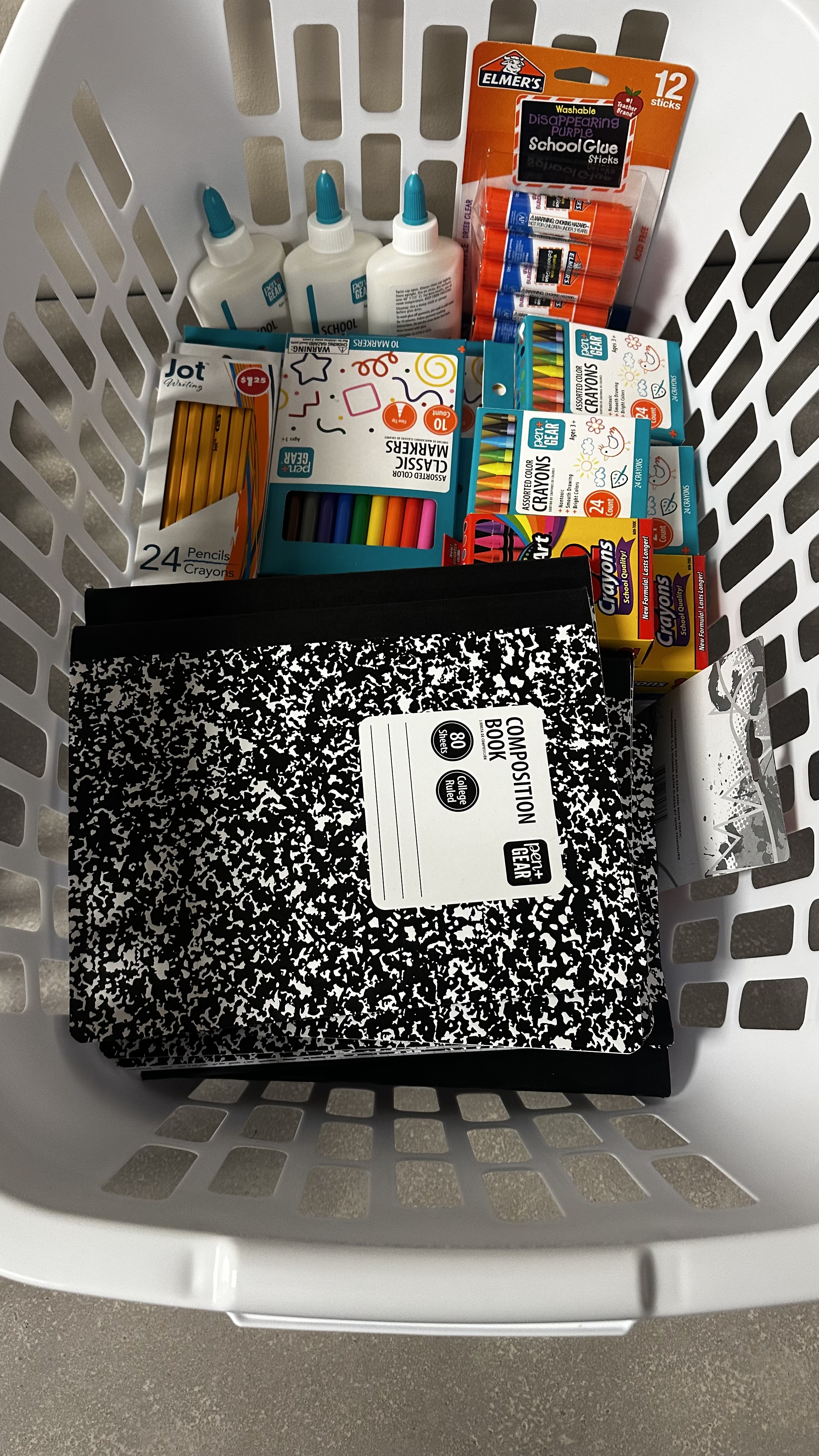
Supplies that help children start the school year ready to learn.
Things that help families stay safe through cold winters and hot summers.
Education that helps families build skills and confidence with money and emotional well-being.
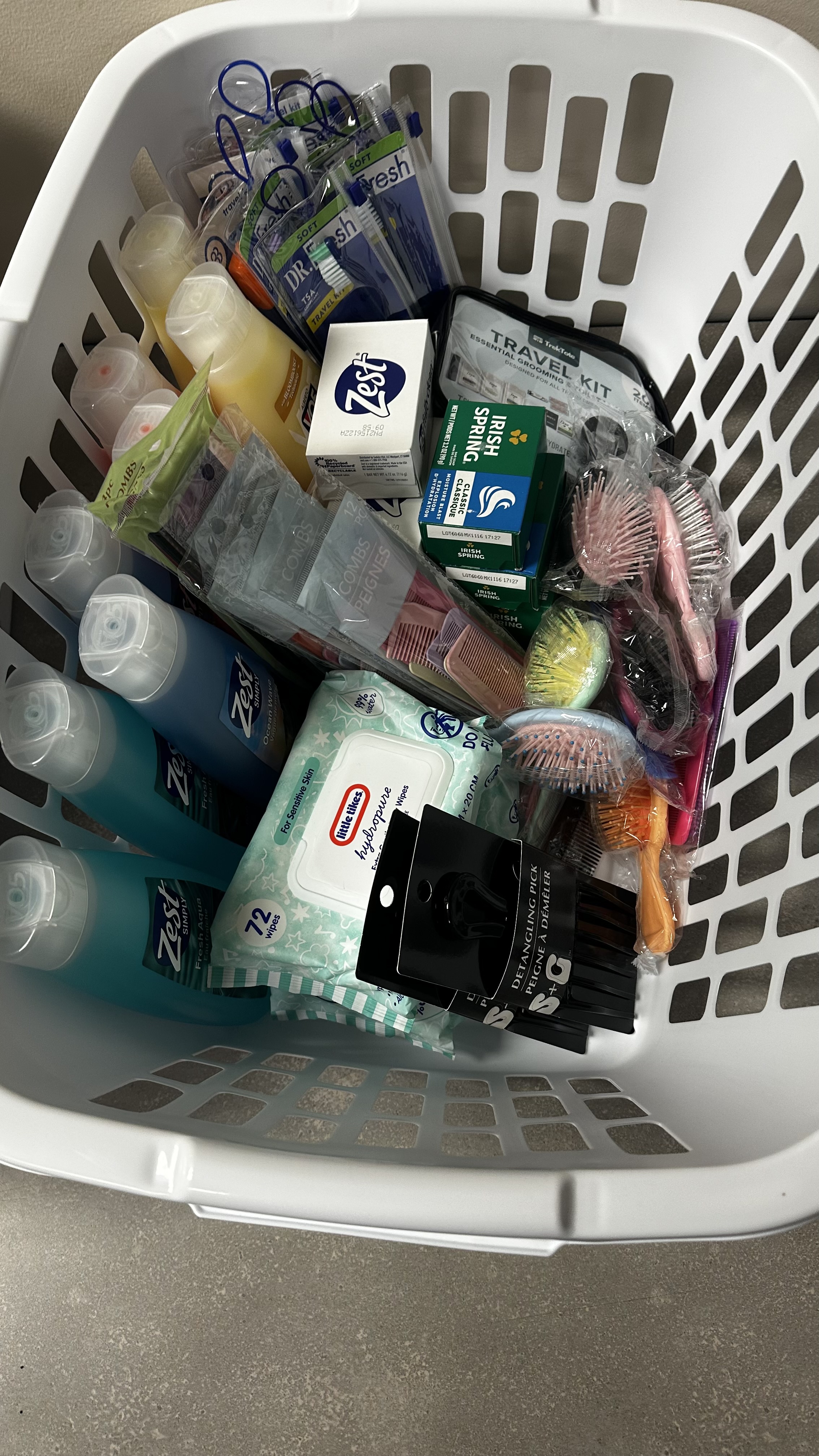
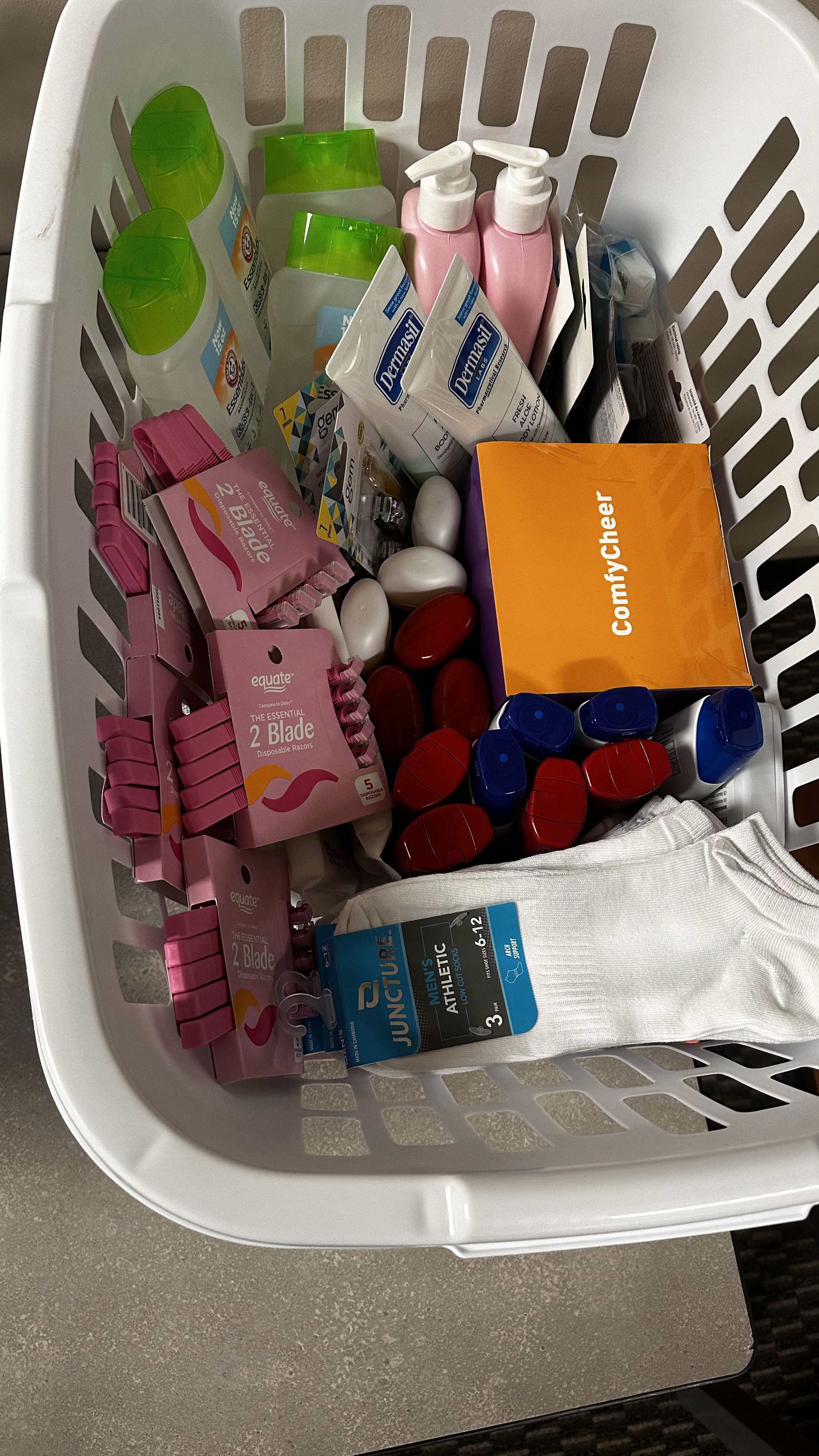
Hygiene and personal care basics, including hair-care items and incontinence underwear for shared shelter spaces, that help every boy, girl, man, and woman feel clean, cared for, and confident, with special care for women and girls.
We do not provide housing or financial assistance at this time. Our financial support is education.
Housing Help LinesWhen a family’s income drops after a parent is incarcerated (by about 22%, according to the National Institute of Justice), the basics are the first things to go. Food, school supplies, and clean clothes are never small to a child.
Research on Minnesota students found that feeling close to a parent or caregiver was protective against the mental health risks of having an incarcerated parent. When a family is less stretched, caregivers have more room to be present.
Every donation we accept and every item we give is unexpired, clean, and new. Learn why we ask for new items.
Being in need does not mean only deserving someone else’s discards. Some people feel that anyone in need should simply be grateful for whatever quality of item they receive. We respectfully see it differently: being in need does not lower the standard someone deserves. People can be deeply grateful and still deserve something good. Every person deserves to feel like a person who matters, and that starts with having something they can call their own.

A household loses more than one-fifth of its income when a parent is imprisoned (PBS NewsHour, 2016), so groceries and school supplies can be the first things to slip. Teachers and support staff say they struggle to meet the needs of students affected by a parent’s incarceration (PBS NewsHour, 2019).
African American women and girls are disproportionately affected by homelessness and incarceration, and when a family is in crisis the barriers stack up: no safe housing, no transportation, no interview clothes, and no one to point the way. We connect women, girls, and families to trusted local help for shelter, rent, food, home repairs, mental health support, and rides, and we provide essential items and free education ourselves.
Our goal is to provide essential items, resources, and skillsets to those in need, every boy, girl, man, and woman, with special care for women and girls. Through Job Prep, we help people get ready for the job market.
We will always share our results with those who make this possible.
Essential items, resources, and skillsets for every boy, girl, man, and woman in need.
A finished, professional resume for every participant.
Brand new interview clothing, chosen with each participant.
Hygiene and personal care kits, 800 a year, so everyone feels clean, cared for, and confident.
One interview-training workshop each quarter, including the STAR method.
Our goal is that at least 80% feel more confident about interviewing, at least 70% complete an interview within 90 days, and at least 60% report a job offer within 90 days.
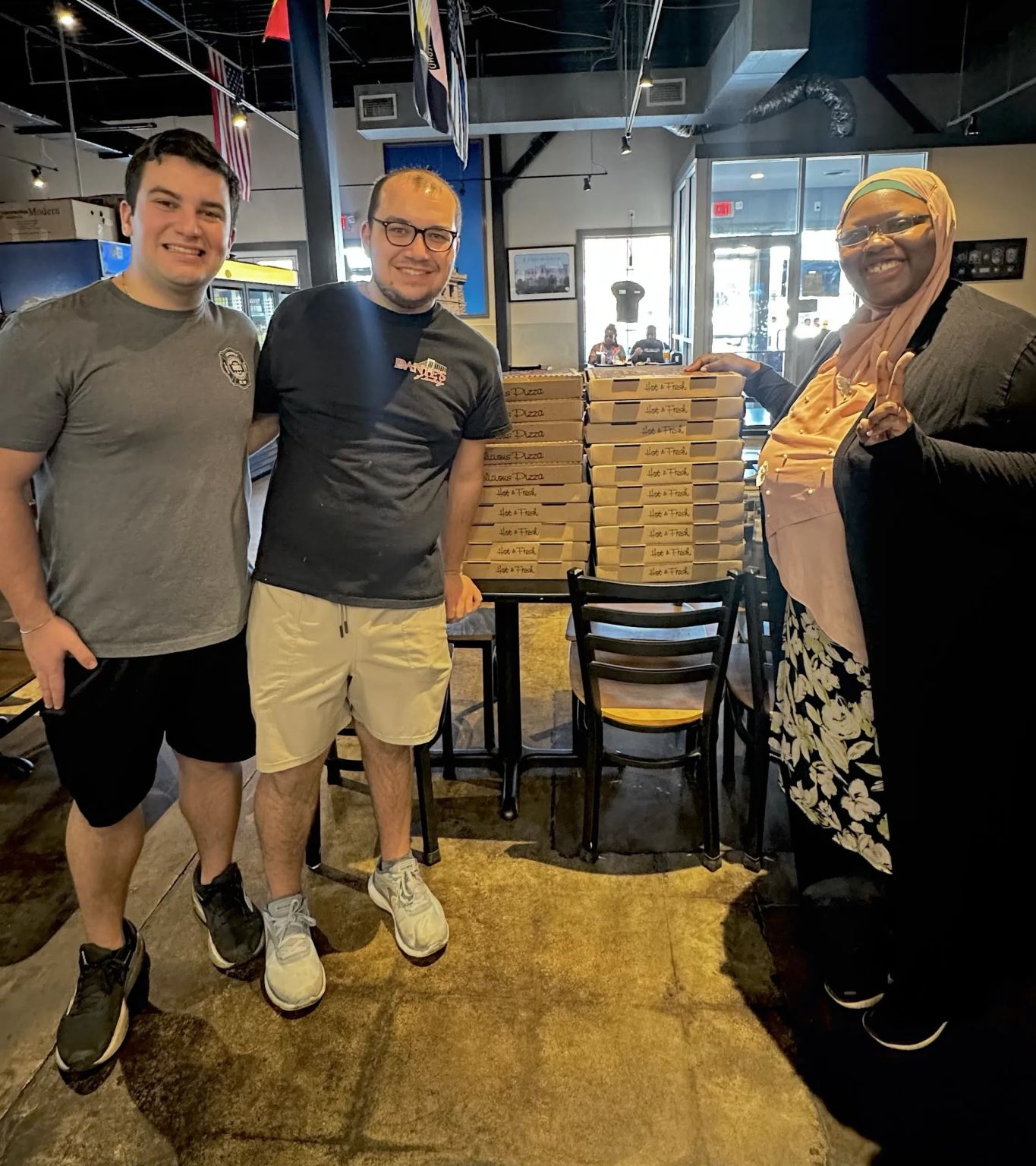
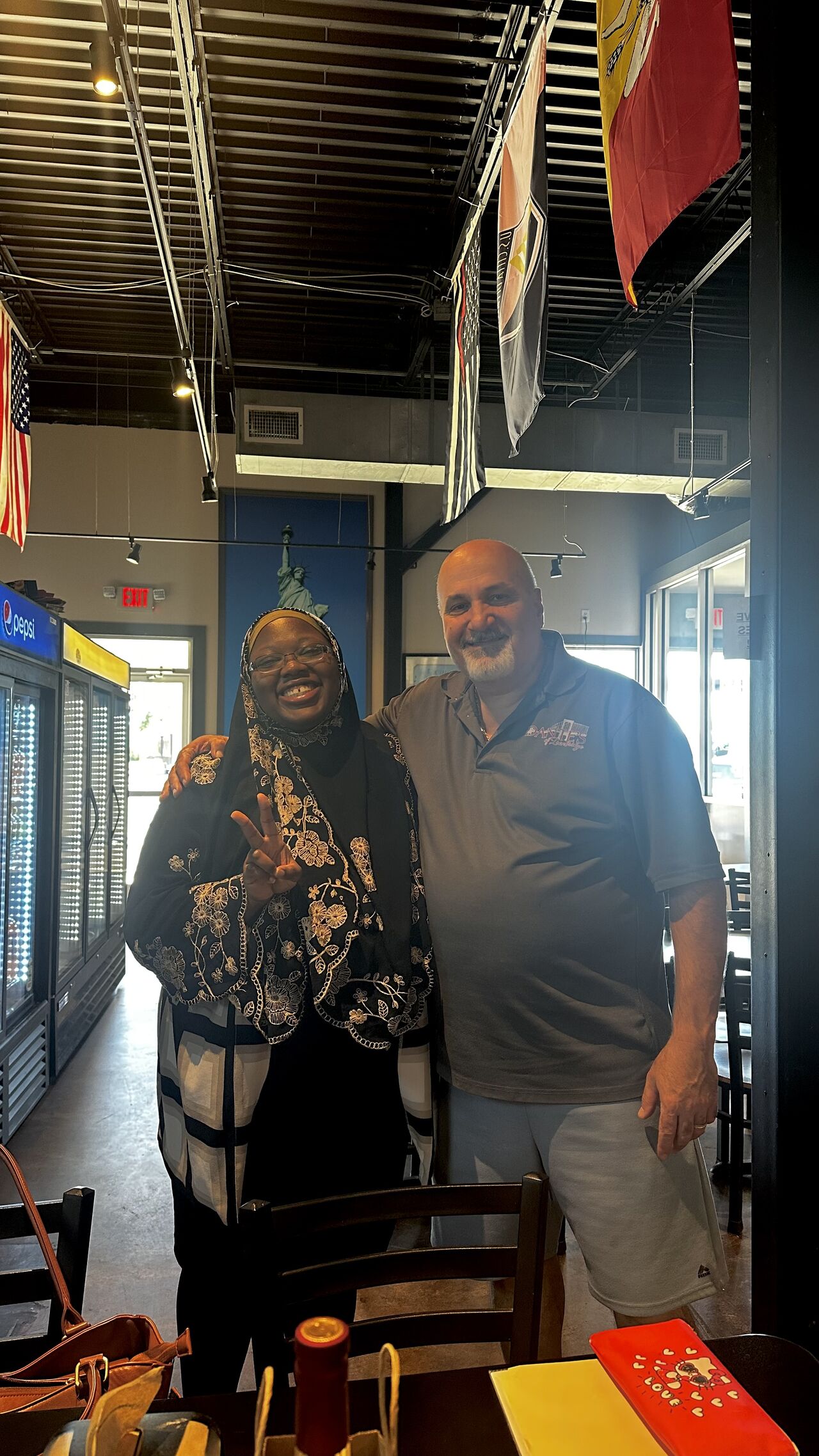
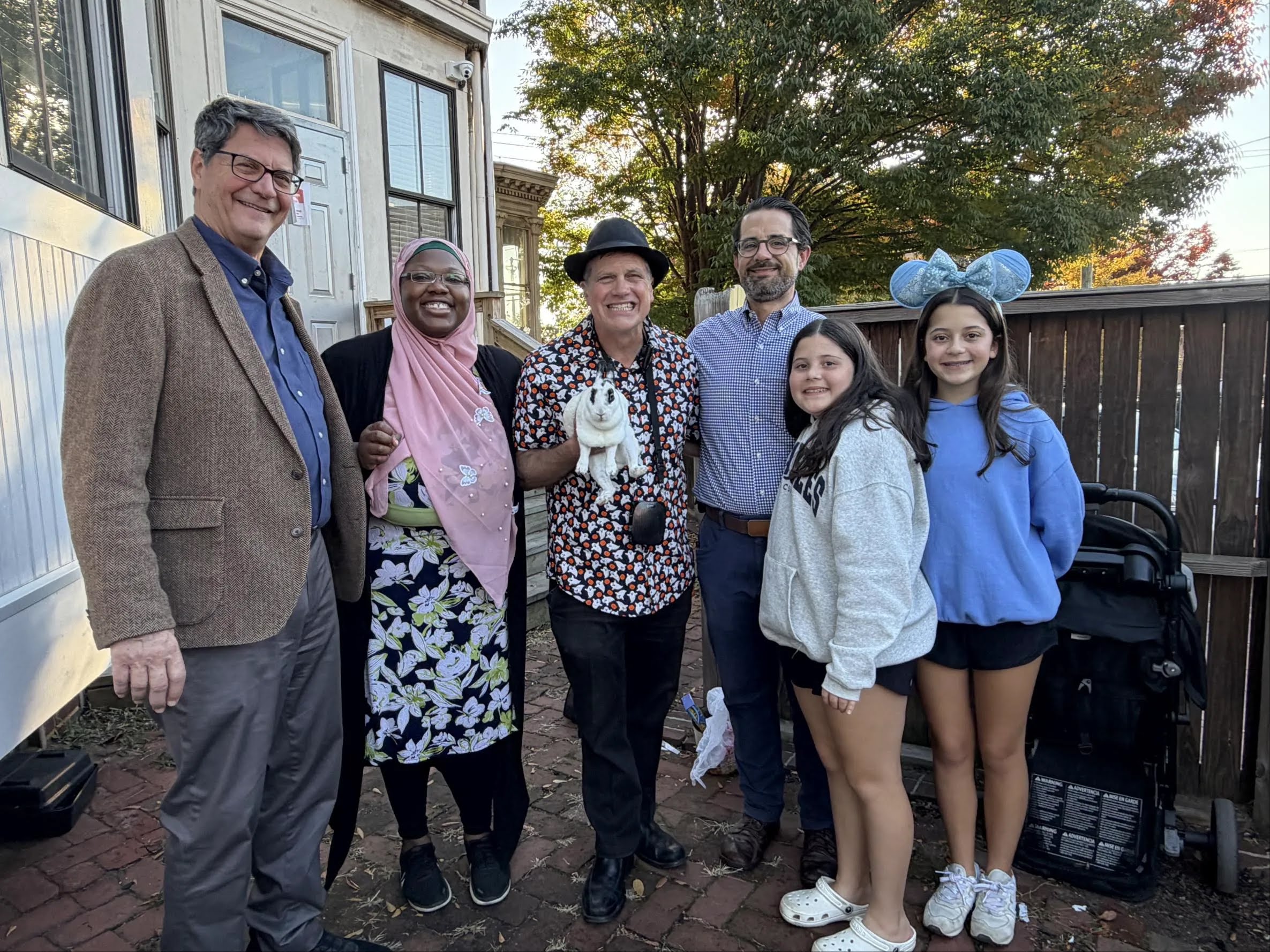
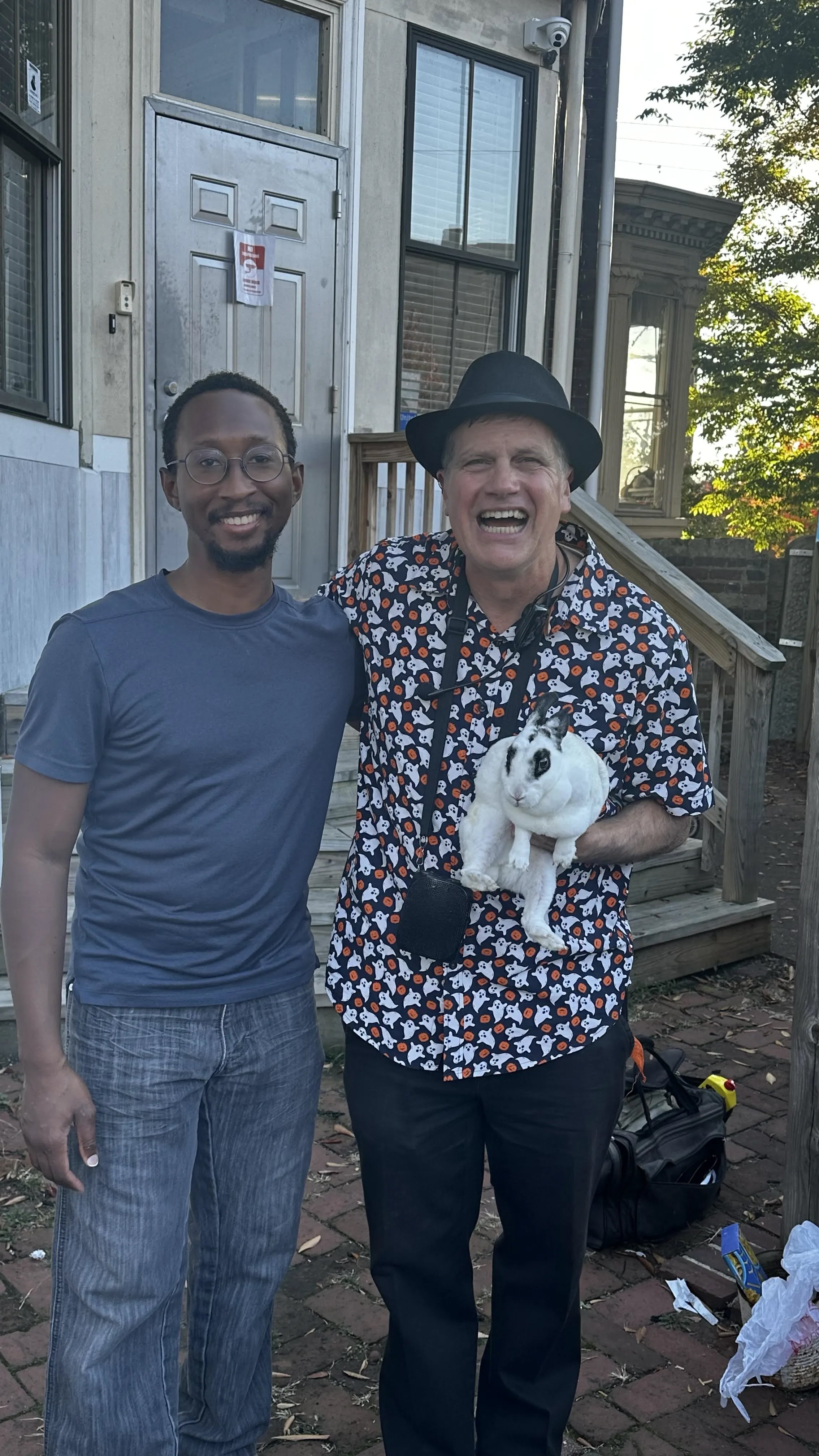
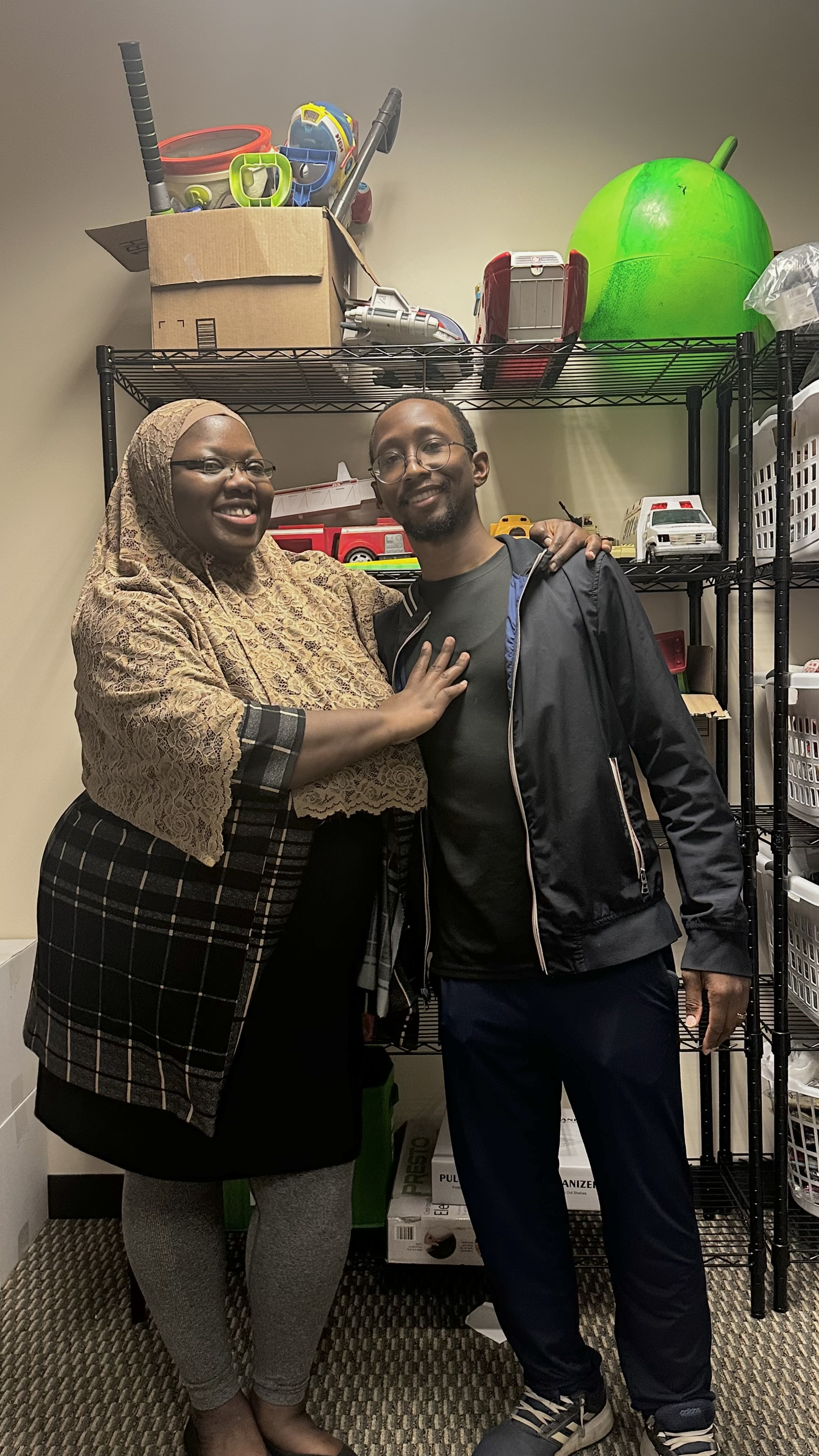
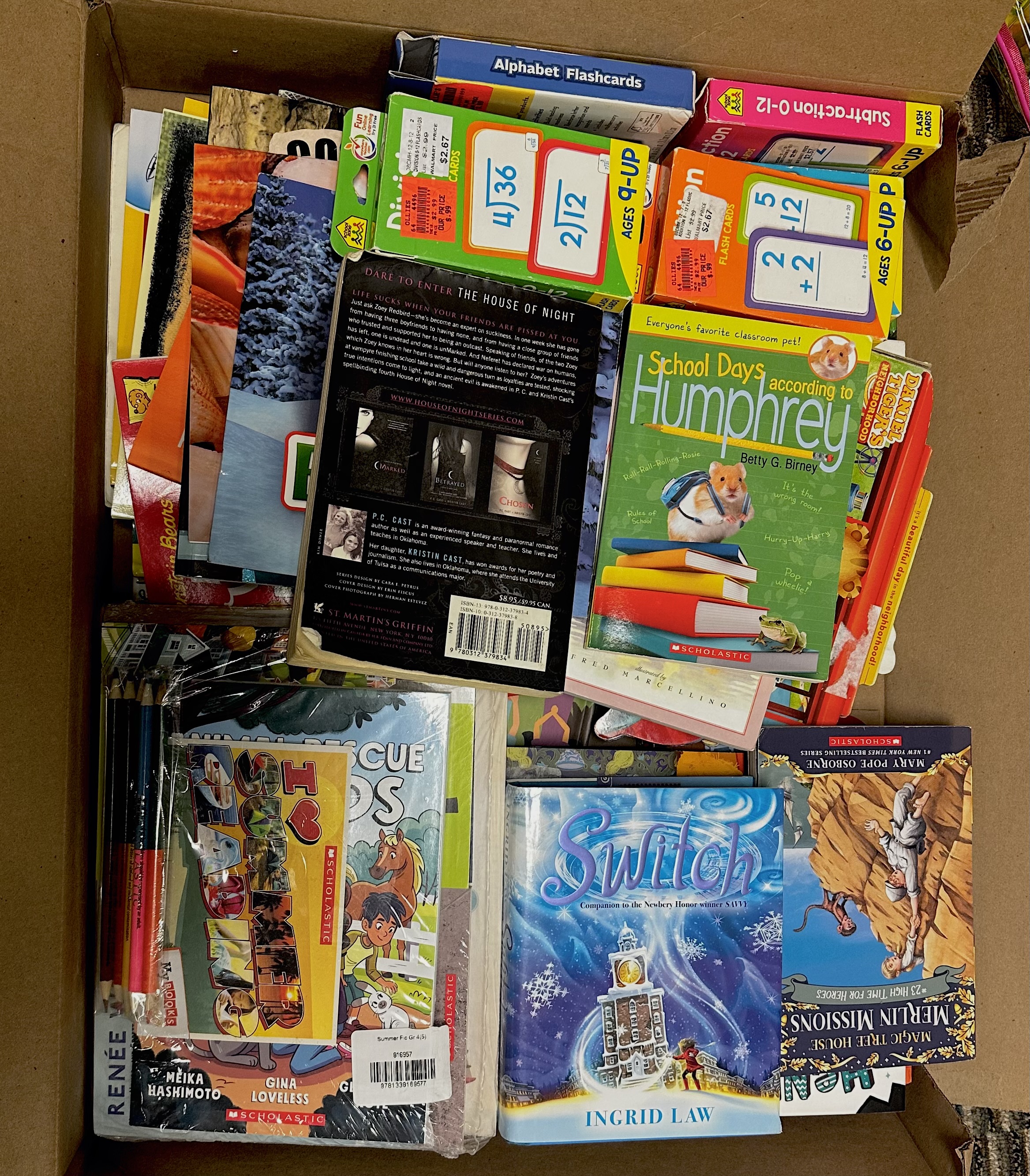
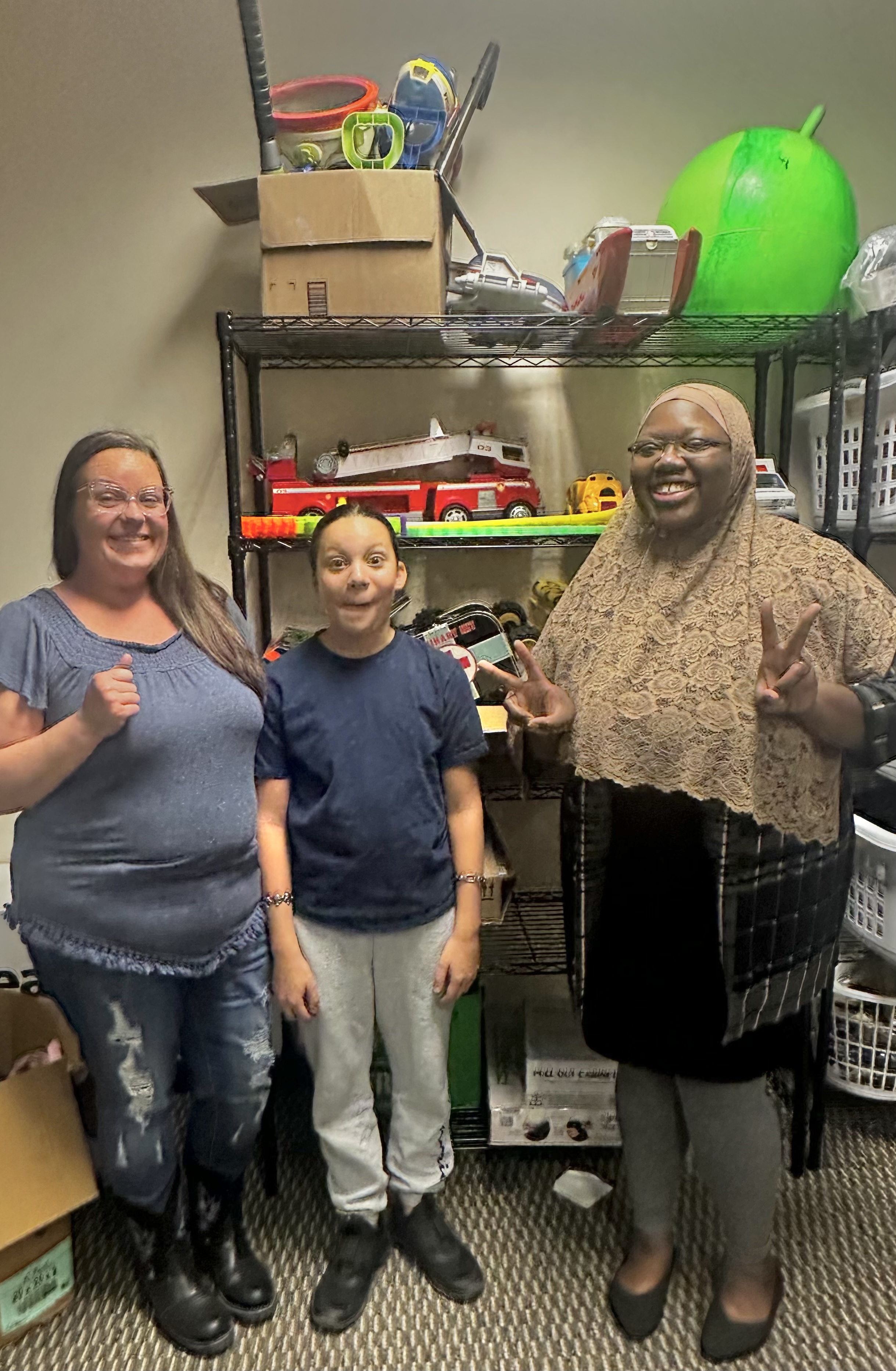
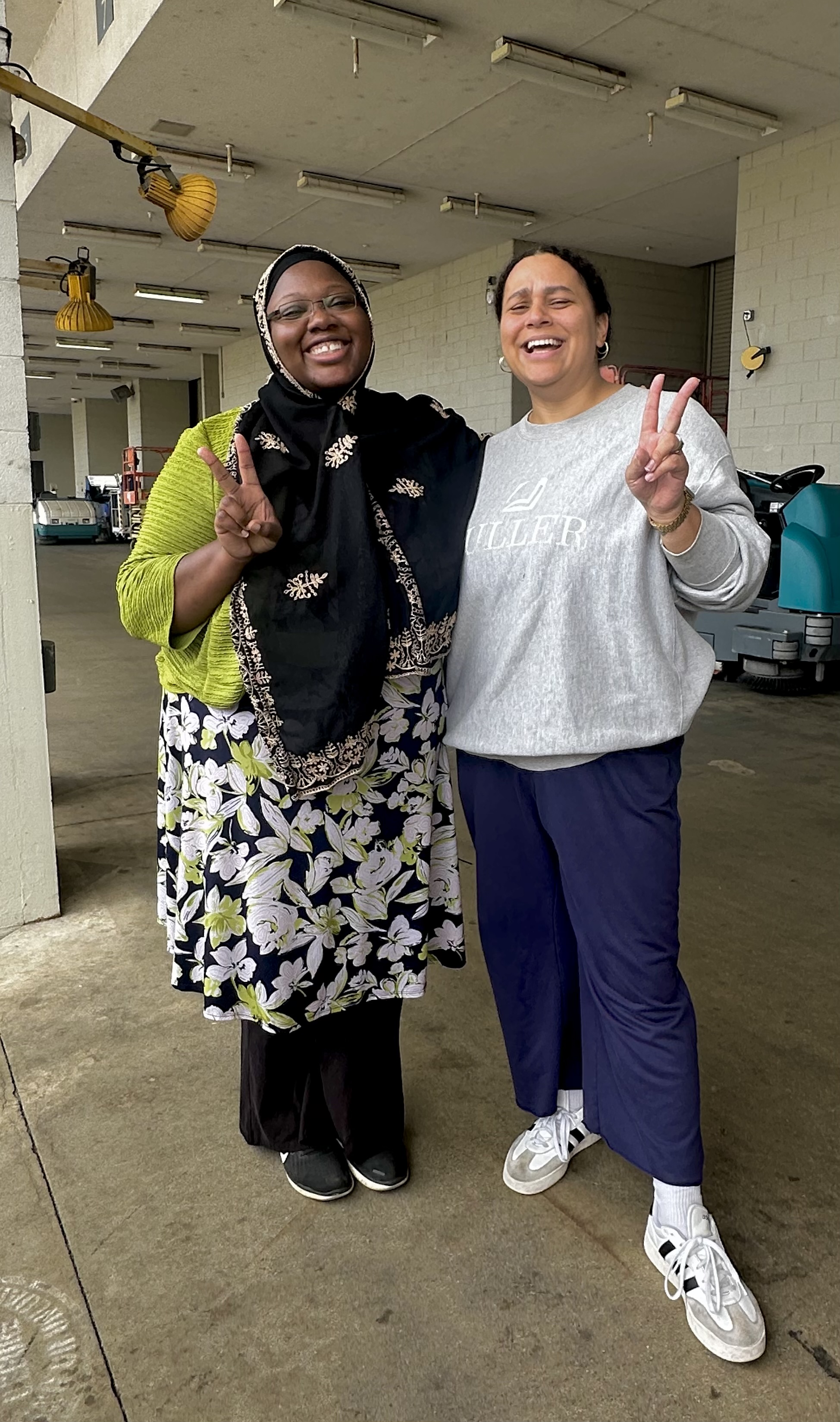
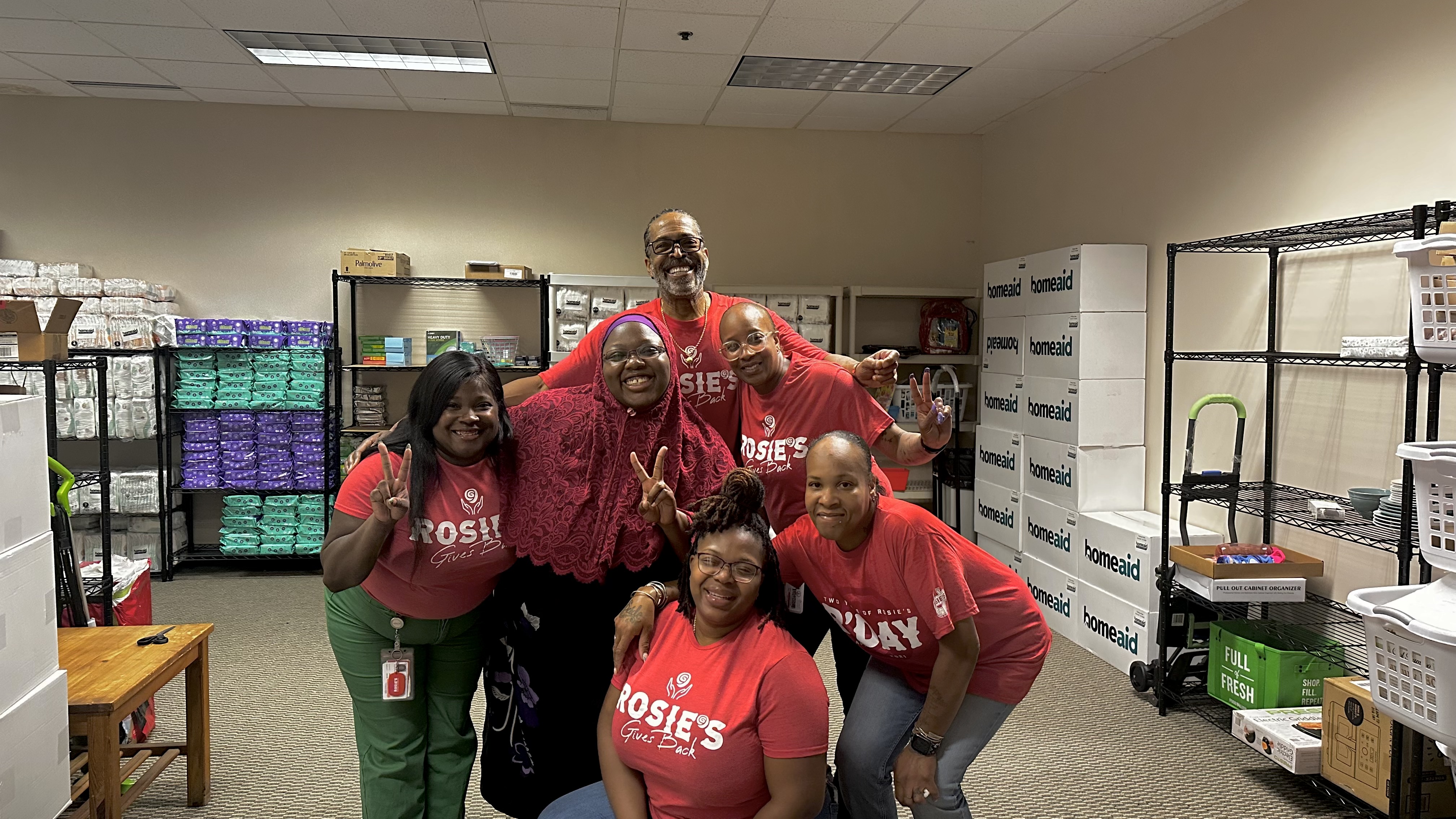
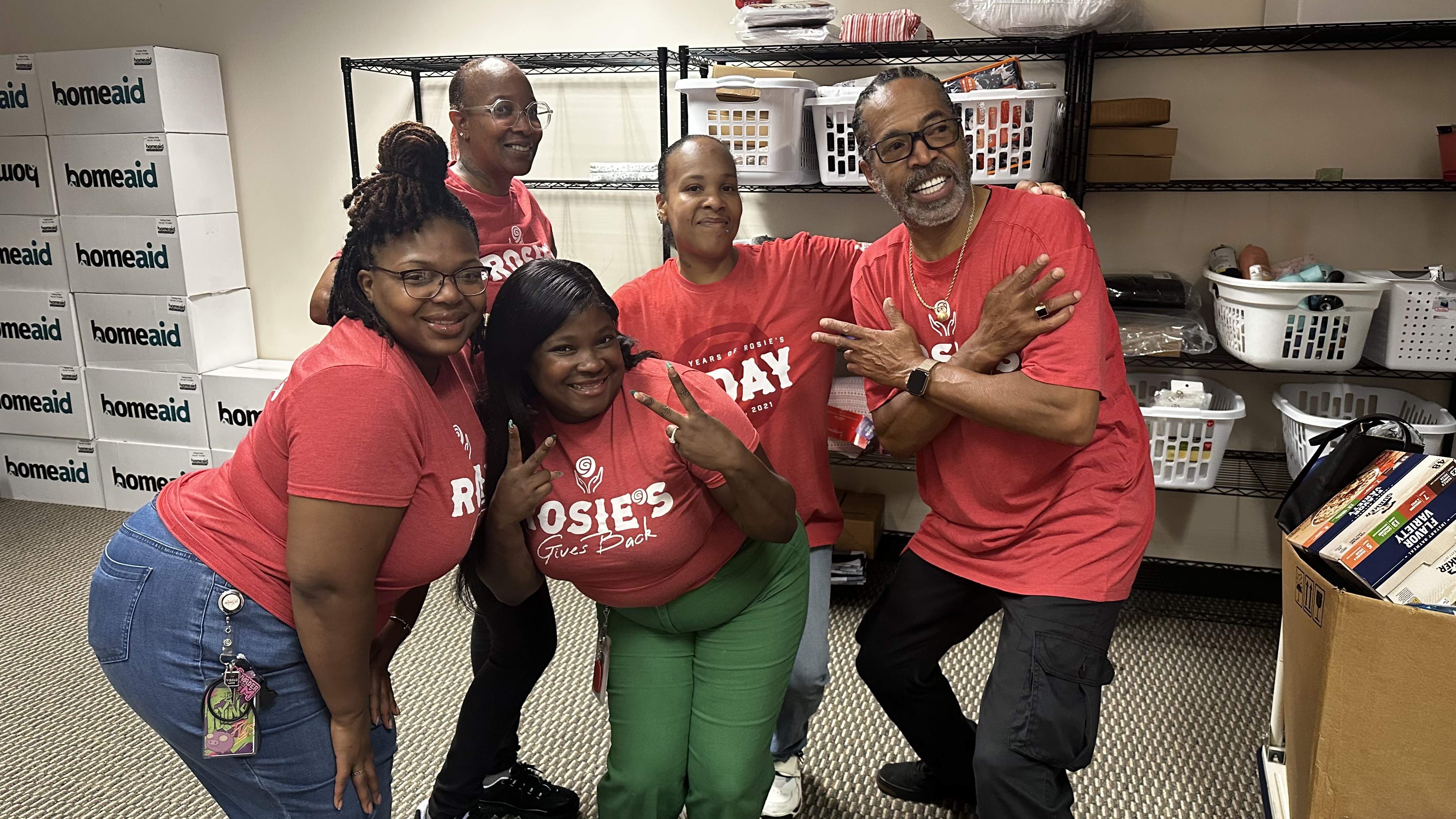
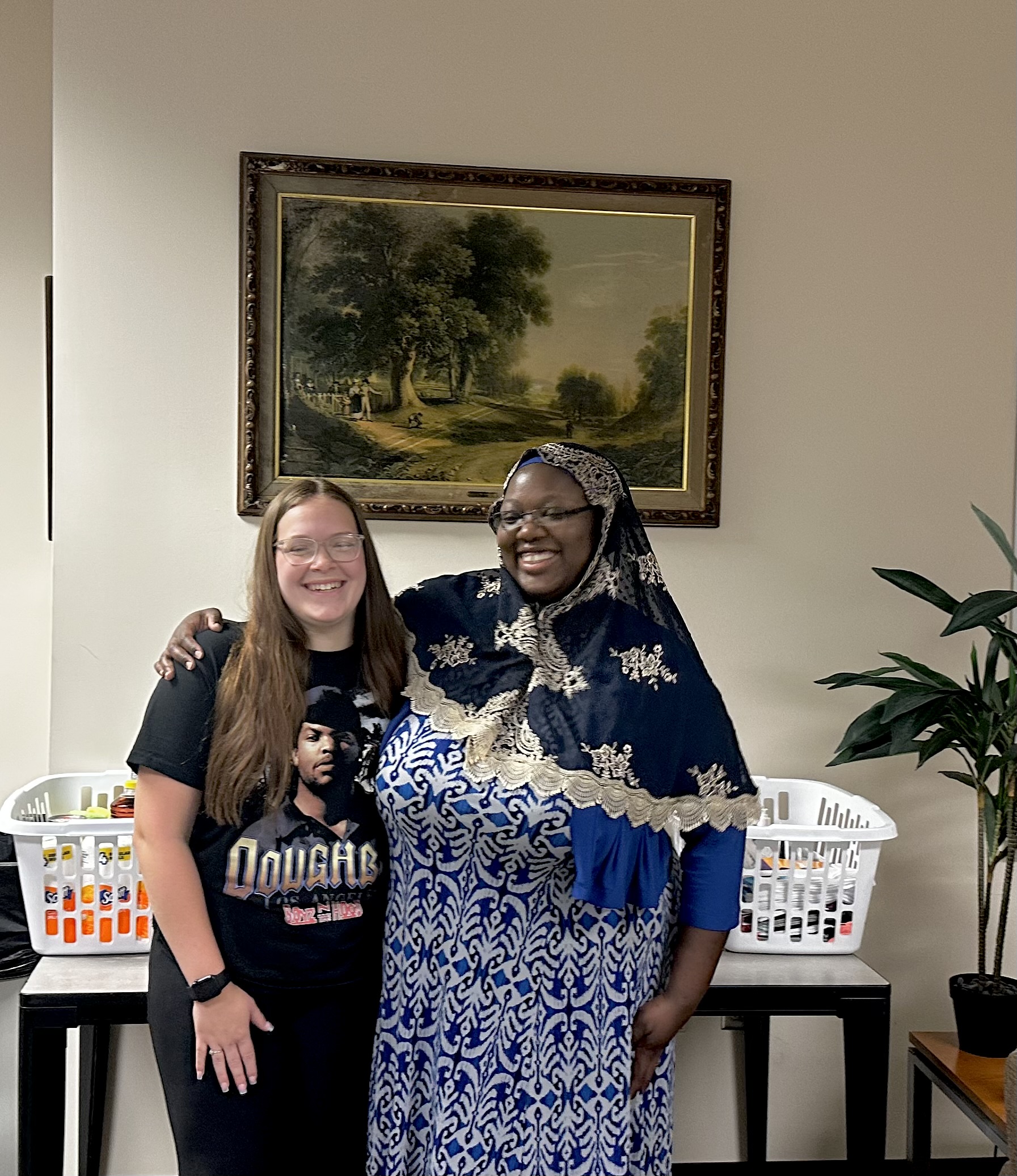
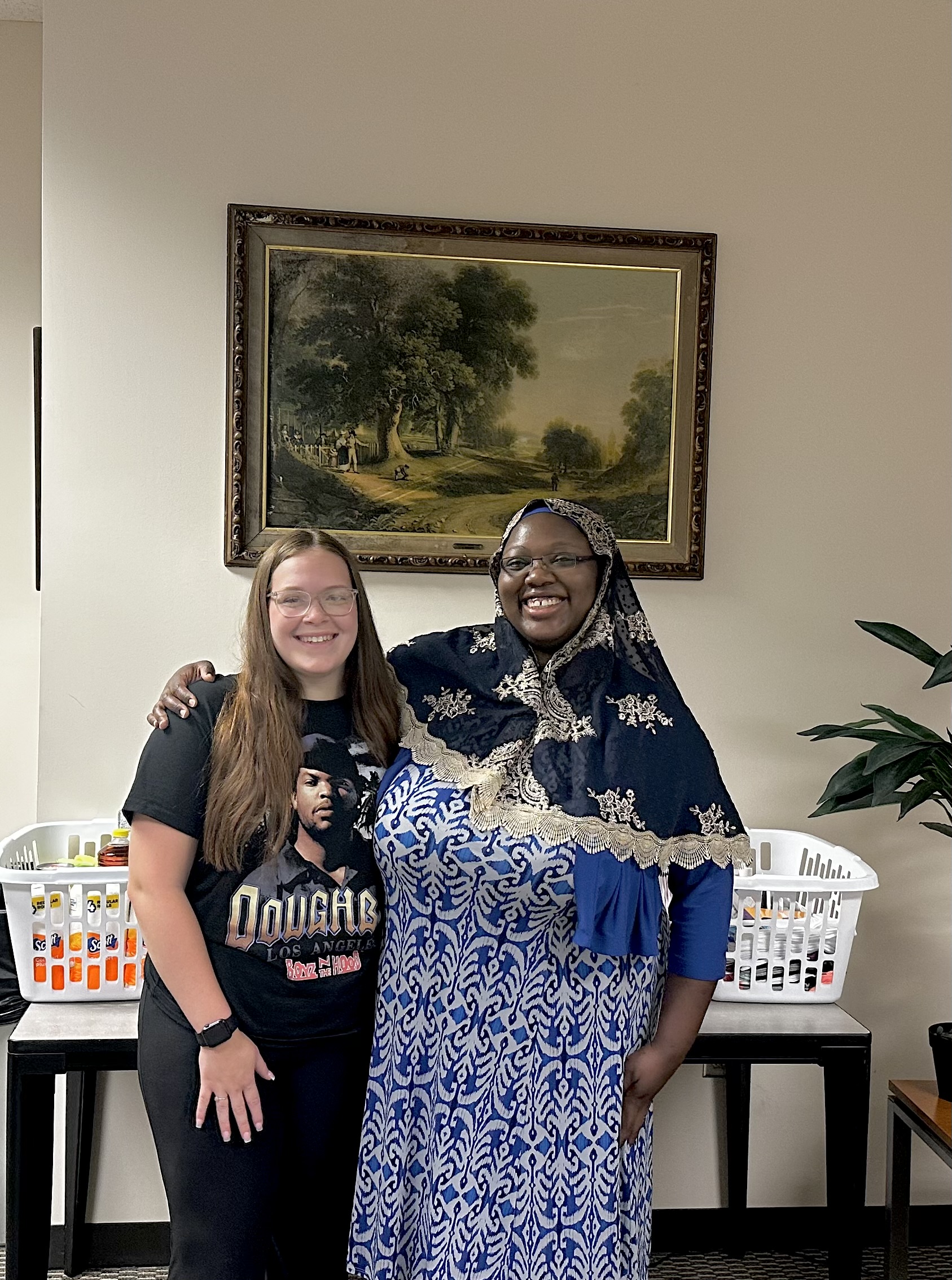
The sponsors who make these moments possible are listed in the carousel at the bottom of this page. Let’s pour into them just like they pour into others!


And do not forget to do good and to share with others, for with such sacrifices God is pleased.Hebrews 13:16 (NIV)
Giving days, office closures, and back to school dates in one place.
Pick a giving day, talk with your team, and plan to give and change lives!
A family-friendly winter fundraising walk in support of local charities. Great for corporate teams! Next walk: Sat, Feb 27, 2027.
A day for donors to recommend gifts from their donor-advised funds. Next: .
A donor-advised fund (DAF) is a giving account held at a sponsoring charity. Donors add money to it, then recommend grants from it to the nonprofits they care about.
A global day of generosity on the Tuesday after Thanksgiving. Next: .
GivingTuesday is a global generosity movement that follows Black Friday and Cyber Monday. People give money, time, and talent to the causes they care about.
Back to school dates shown are for Central Virginia districts, including Richmond Public Schools, Chesterfield, Henrico, Hanover, and the Petersburg area (Petersburg, Colonial Heights, Prince George, and Hopewell). Most districts begin in mid to late August, year-round schools begin in late July, and spring classes begin in early January. Exact dates change each year, so please check your district’s calendar.
There is a time for everything, and a season for every activity under the heavens.Ecclesiastes 3:1 (NIV)
Whether you can give, volunteer, or open a door, there is a place for you in this work.
We are a volunteer-led organization with a small team. Donations and sponsorships help us do the work we do, and we humbly ask for your help in changing the world!
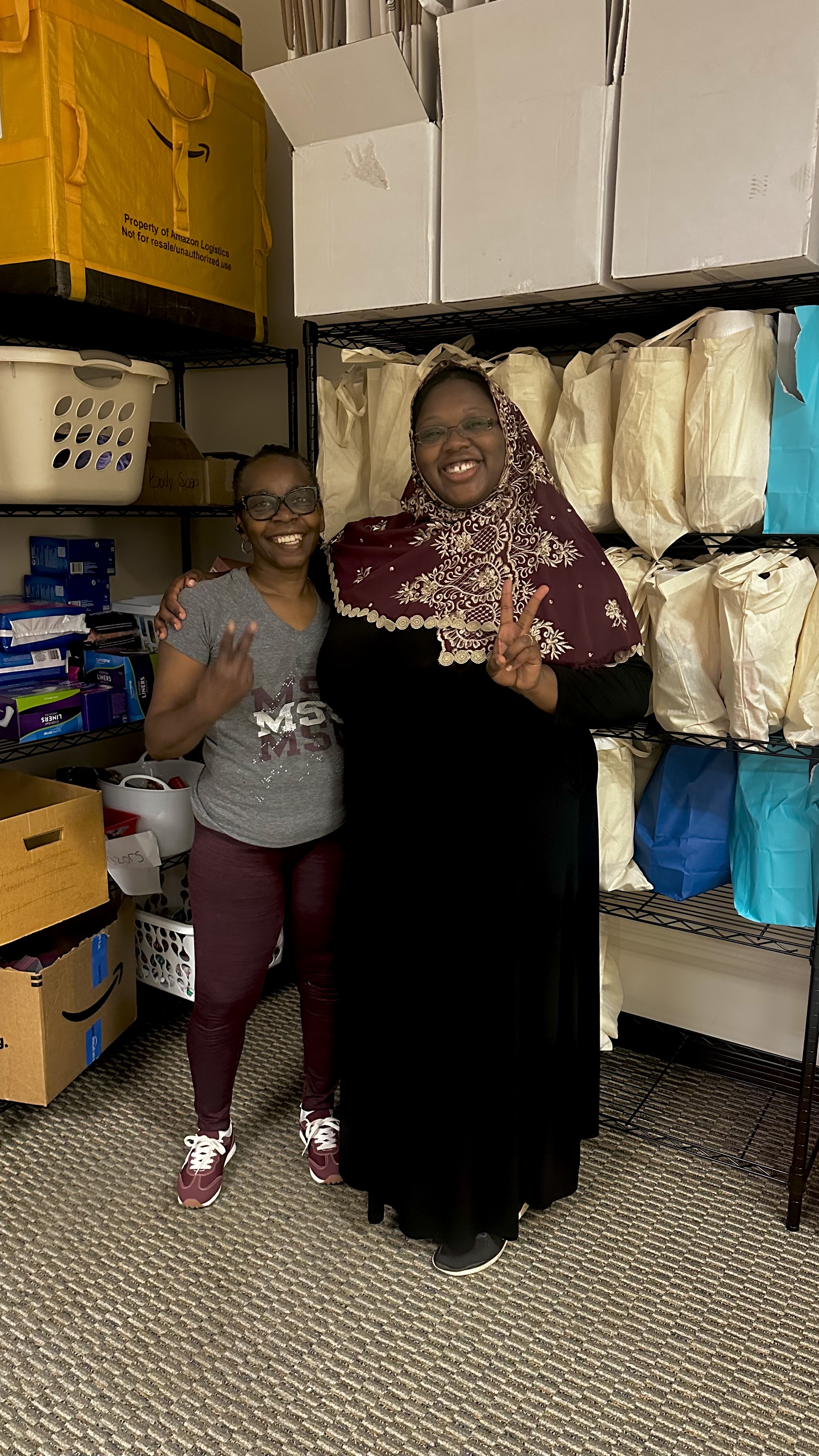
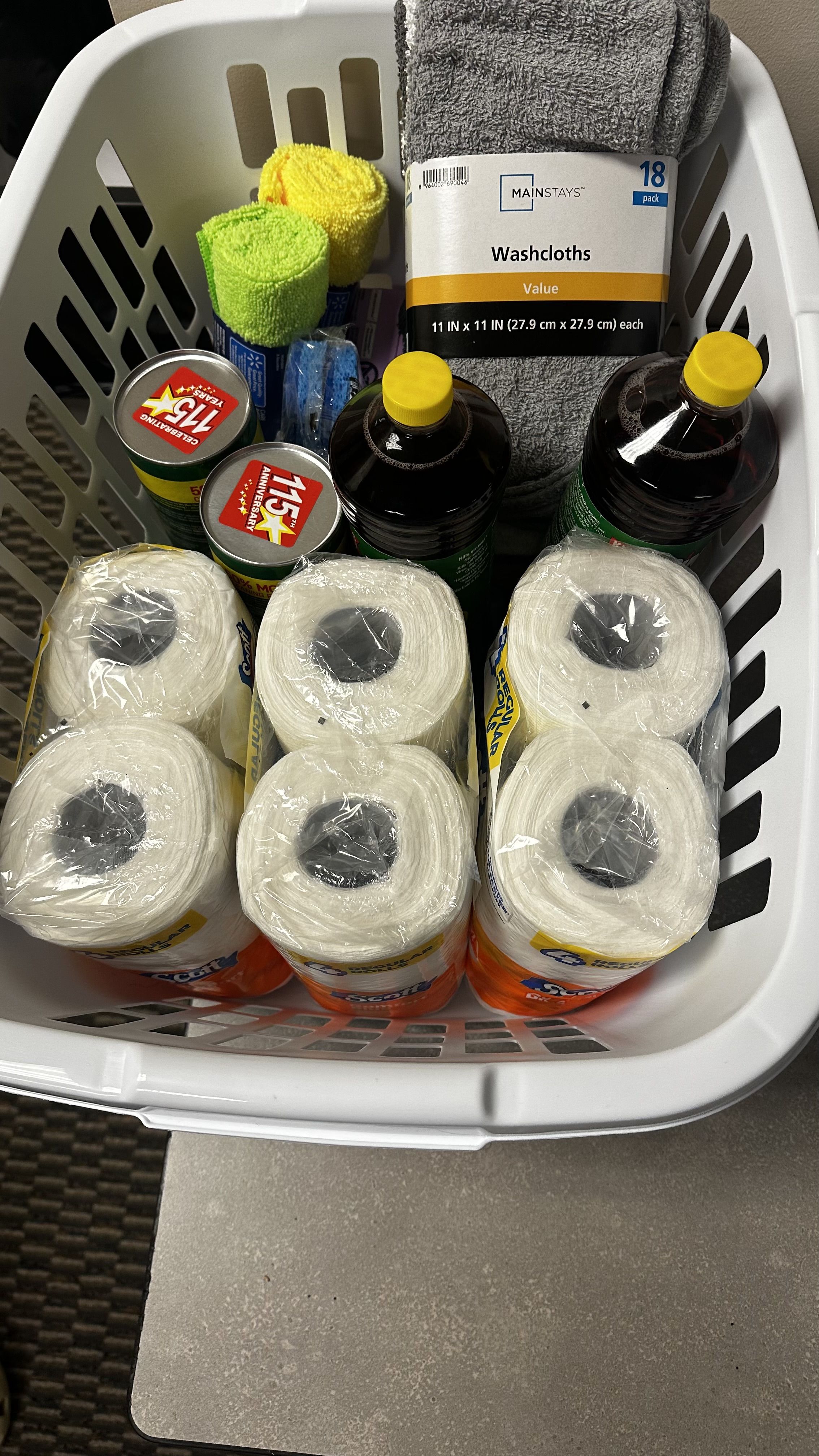
Imagine a neighbor opening a tote bag filled with brand new essentials and knowing someone cared enough to pack it. Your gift makes that moment happen. Give once, or give monthly to keep care kits coming all year.
Do you like organizing, helping out at community events, or sharing your services for communities in need (example: hair stylist, nail artist, resume writer, mentor, tutor, life coach, or business coach)? We would love your support in helping the families we serve! Our volunteer opportunities are flexible. Let’s see what fits your schedule!
Not sure what counts as volunteering? Read our volunteer FAQ. All volunteers agree to our Volunteer Policy.
Tell Us How You Want To Volunteer!Sponsors are the neighbors, families, businesses, churches, schools, and organizations that stand beside us with a significant, ongoing gift. Your partnership helps us reach more families and keep supplies moving, so every child, parent, and neighbor knows someone is in their corner.
We are proud to celebrate our sponsors on our website at all times, because your generosity is part of what makes this mission shine. Meet our current sponsors in the carousel at the bottom of this page, and picture your name there with them!
Let’s Partner TogetherIndividuals, churches, and corporations can all host a drive of essential items. Rally your friends, family, coworkers, congregation, or ministry around a shared goal, and let your community fill the bags. Even one tote bag or one coat makes a difference. All items must be brand new.
Host a donation drive, or prepack care kits as a team and let’s hold a distribution event! See the care kit list below for what goes inside.
Not sure what to collect? Shop Our Amazon Wish List.
Tell Us About Your Donation DriveEvery kit must be packed in a tote bag so it is easy to carry and can be reused. All items must be brand new.
Every kit you build helps us reach our goal of providing care to 60 families a month: 30 families with groceries and 30 families with essential items.
Questions about building a kit? Contact Us.
Fall and winter are our busiest and most emotional time of the year, with large giveaways for so many families. These items are hard to obtain, so we need your help far in advance to be ready.
Candy, pizza, and costumes for ages 0 to 50, so everyone can take part in the fun of the season. We cannot accept gore, occult, or sexual costumes.
Coats for parents and children, for ages 0 to 50, plus scarves, hats, gloves, and hand warmers.
Each Thanksgiving and Christmas kit includes apple cider, bread rolls, cranberry sauce, green beans, gravy, hot cocoa, macaroni, mashed potatoes, stuffing, sweet potato pie, turkey and ham, vanilla ice cream, and whipped cream, so families can sit down to a real meal.
Let us not become weary in doing good, for at the proper time we will reap a harvest if we do not give up.Galatians 6:9 (NIV)
If you live in the Greater Richmond or Crater region*, you can ask us for a care kit or groceries and we will deliver them to your door. There is no event to attend and nothing to pick up.
Our goal is to provide care to 60 families every month: 30 families for groceries and 30 families for essential items. Everything we provide is fresh and brand new: never expired, close to expiring, or opened. We take 30 requests for each type every month. When they are full, this page will tell you that the monthly request limit has been reached.
The request form opens at 12:00 AM on January 1, 2027. After that, forms open at 12:00 AM on the first of every month and fill quickly. Sign up for our newsletter to stay informed on opportunities!
Hygiene and personal care essentials, packed together in one kit and delivered to your household.
Each household can request one care kit every six months, while funding is available.
We deliver on the third Wednesday of every month, between 10 AM and 3 PM. We do not offer pickup except at designated events.
Food deliveries begin in January 2027, on Wednesday, January 20, between 10 AM and 3 PM. Food requests open only for select delivery dates, and we will post each one on this page and on our Giving Days Calendar.
Families in Chesterfield County, Colonial Heights, Goochland County, Hanover County, Henrico County, Hopewell, Petersburg, Powhatan County, Prince George County, and the City of Richmond. See where we do not deliver.
We review every request. When it is approved, we send you a confirmation email. If we cannot approve it, the email explains why.
While your request is reviewed, please apply for SNAP, WIC, or TANF. Our Food Resources page can help you find food near you. We use what you share only to review and deliver your request. See our Privacy Policy.
Due to the large number of requests, we cannot make special accommodations.
Please freeze your meats so they last longer for you and your family. Food that spoils cannot be replaced, and we will not replace an order.
If you do not have a working refrigerator or pantry, or you are actively homeless, please do not place a food request, because fresh food spoils quickly.
Please come to one of our outreach events instead, where you can enjoy freshly cooked food on site:
Dates and places are posted on our Giving Days Calendar as they are set.
We also encourage you to visit our Food Resources page, where several organizations offer weekly feedings for people who are actively homeless.
Requesting groceries and have a cat or a dog? Choose “I have a cat” or “I have a dog” on the request form and we will include dry pet food. Pets receive dry food only.
We would love to celebrate with you! 🎉 If you wish, send a photo of your delivery to info@the-butterfly-project.org or tag us on Facebook, and help show the community what kindness looks like. Sharing is always your choice.
Please include your apartment or unit number if you have one. We ask only how many adults and children live in your home, never the names or birth dates of children.
Ask for support, offer your time, or find out how to give. We read every message.
Want to volunteer, host a donation drive, become a sponsor, or ask a question? Send us a message and we will get back to you.
Ask and it will be given to you; seek and you will find; knock and the door will be opened to you.Matthew 7:7 (NIV)